Acupuncture

Launch your career in Traditional Chinese Medicine (TCM) acupuncture. In three years, gain hands-on clinical skills to assess, diagnose and treat clients. Prepare for a rewarding role in health care, promoting balance and well-being.

Home / Learn / Programs List / Acupuncture
Credential
Ontario College Advanced Diploma
Duration
Six semesters
Start Date(s)
September (Fall)
Locations
Belleville
Open to
International Students
Domestic Students
CIP Code
51.3301

Find your career

Acupuncturists work in a range of health care and wellness settings, from private clinics and rehabilitation centres to spas and athletic therapy clinics. Prepare for a rewarding career promoting accessible, holistic care for diverse populations: 

  • Support community well-being through TCM-based assessment, diagnosis and treatment. 
  • Help clients manage pain, reduce stress and improve overall health. 
  • Collaborate with health care professionals such as occupational therapists, physiotherapists, chiropractors and naturopaths. 
  • Integrate multiple healing modalities into your practice, including acupuncture, bodywork and nutritional therapy. 

Loyalist’s Acupuncture program provides comprehensive, quality education that meets the professional competencies set out by the College of Traditional Chinese Medicine Practitioners and Acupuncturists of Ontario (CTCMPAO)

Is it for you? 

Acupuncture may be a good career fit if you: 

  • Want a career helping others. 
  • Are empathetic and attuned to others’ needs. 
  • Have steady hands and a calm, reassuring presence. 
  • Are open-minded and embrace both traditional and modern health care practices. 
How you'll learn

Please note: This program is delivered on a continuous basis, so you’ll graduate in less time. You’ll study for six consecutive semesters with no break.


Experiential learning

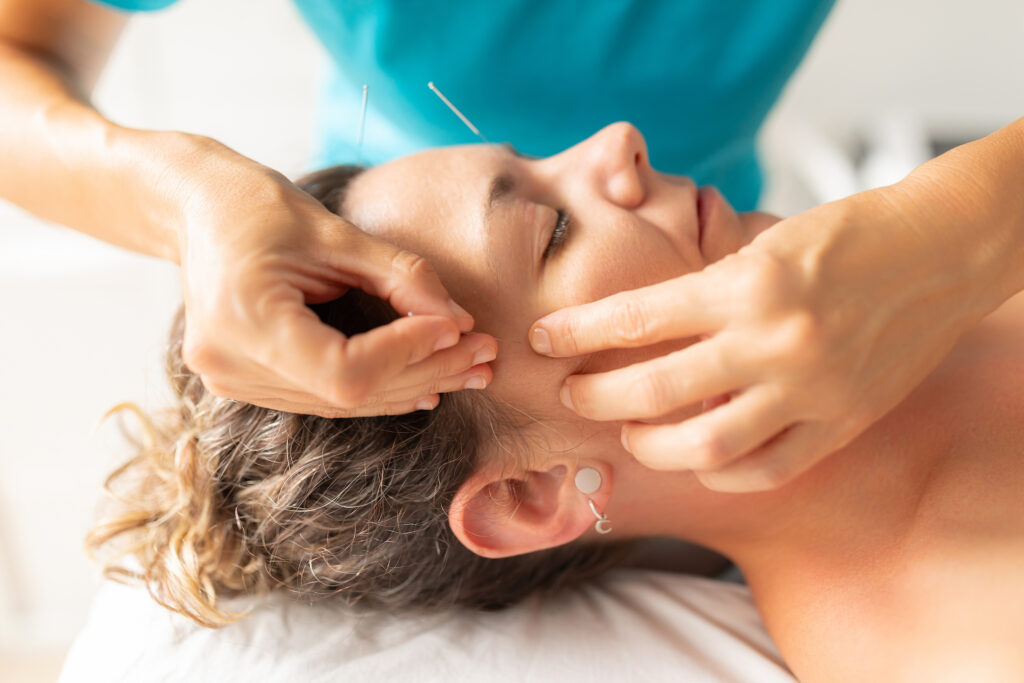
Develop the knowledge and practical skills needed to confidently provide care within the TCM acupuncturist scope of practice:

  • Start practising your skills from semester one in a holistic learning environment, continuously refining and building confidence in your skills before treating the public in a clinical setting.
  • Blend theory with practice – alongside hands-on training, study TCM theory and biosciences, ensuring concepts integrate across multiple courses.
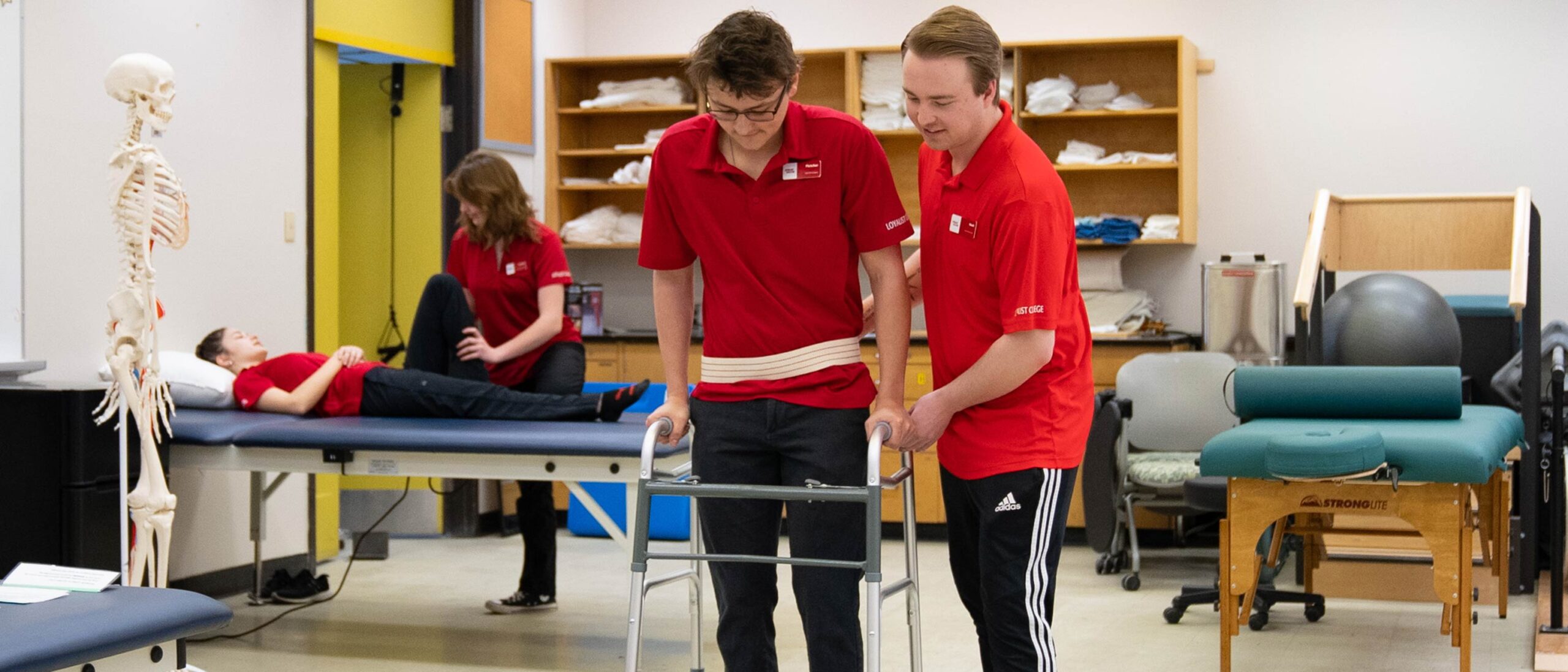
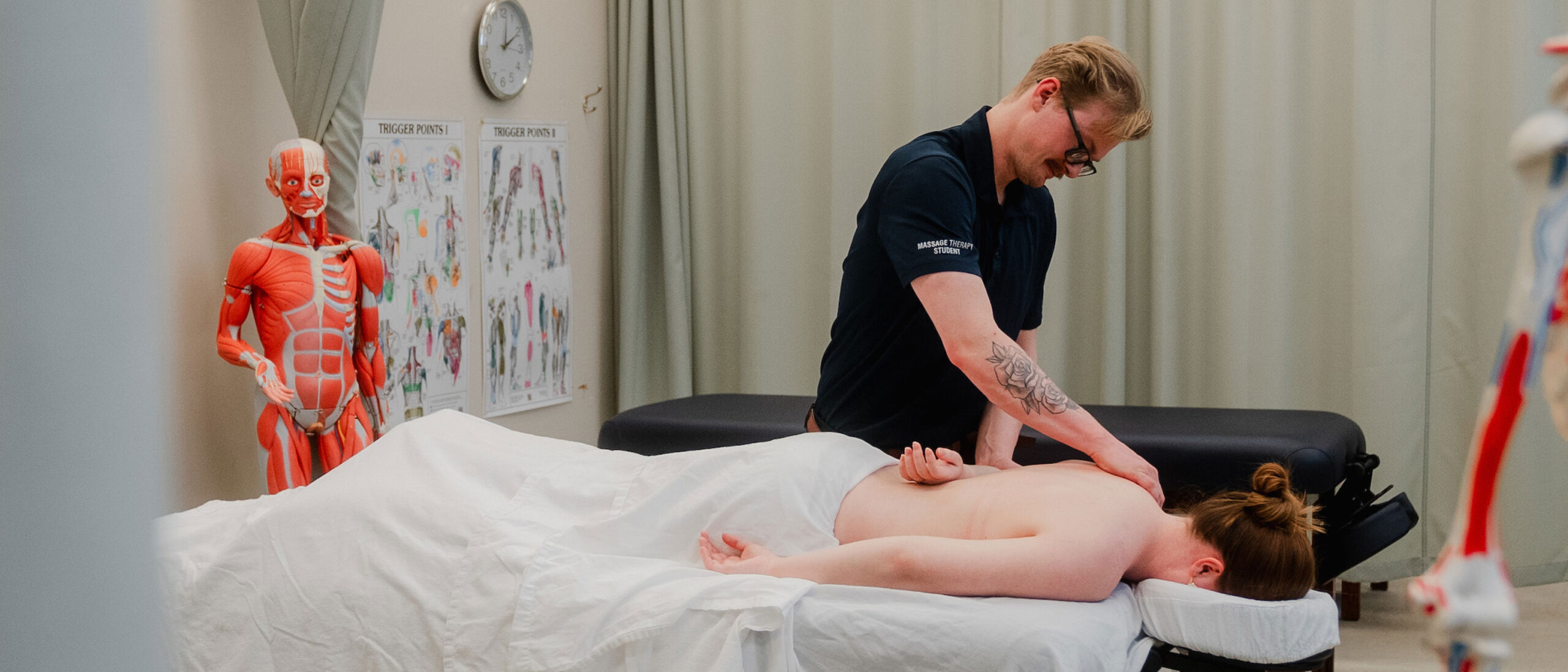
  • Gain interprofessional experience collaborating with students in Loyalist’s Occupational Therapist/Physiotherapist Assistant and Massage Therapy programs.
  • In semester four, gain real-world experience working alongside experienced acupuncturists during a clinical placement.
  • Our curriculum emphasizes biosciences, evidence-based practice and collaborative health care, preparing you to meet regulatory standards while thriving in today’s evolving health care field.

Courses

TCMA1001 Acupuncture Professional Identity

Students examine the foundations of what it means to be an Acupuncturist and the responsibilities that come with the profession. They discuss the historical framework and evolution of the practice of acupuncture and Traditional Chinese Medicine (TCM) over the centuries to its current position as a regulated health profession. Students evaluate the regulatory standards of TCM acupuncture and examine the ethical considerations, professional conduct and scope of the acupuncturist’s role. They identify and compare the responsibilities of acupuncturists with other healthcare practitioners to recognize the value of interprofessional collaboration. Students distinguish the historical, cultural and professional principles that guide the ethical practice of acupuncture.

TCMA1005 Anatomy & Physiology 1

Students explore the structure and function of the human body. They examine the anatomy and physiology of the body systems, mastering basic concepts in health and disease. Students explain anatomic and physiologic concepts of the skeletal, muscular, respiratory and digestive systems.

COMM1048 Communications

Learners strengthen the writing and research skills needed for success in college-level studies. Learners will develop and refine techniques to communicate ideas clearly, organize research effectively and produce strong academic work.

TCMA1003 Jing Luo / Points 1

Students delve into the intricate network of Jing Luo (channels and collaterals) and the acupuncture point system within the Traditional Chinese Medicine (TCM) framework. They understand and demonstrate how to locate and select appropriate acupoints based on point categories for presenting patient complaints and diagnoses. Students integrate biomedical knowledge for comprehensive patient evaluation to ensure safe and effective treatment strategies. Students implement acupuncture treatment approaches aligned with TCM principles while prioritizing safety, ethics and patient well-being. Co-requisite: TCMA 1000, TCMA 1005

TCMA1000 Traditional Chinese Medicine Foundations

Students develop analytic and evaluative skills as they explore foundational TCM theories, including Yin/Yang, Eight Principles, Zang/Fu, Five Elements, Qi, Blood, and Body Fluids. They interpret disease pattern diagnosis through holistic frameworks like the Eight Principles, six stages, four levels of disease, and the San Jiao concept. Students employ ethical conduct and communication skills, ensuring patient well-being and upholding professional behaviours to align with our goal to produce socially responsible acupuncture professionals in a collaborative and patient-centered healthcare environment.

TCMA1004 Tui Na 1

Students develop practical skills for the application of Tui Na techniques within the context of an acupuncture treatment. They demonstrate and adapt individual Tui Na techniques for the hands-on treatment of the Jing Luo system. Students refine their tactile sensitivity and develop a nuanced understanding of how to apply various techniques to different areas of the body. Students demonstrate the foundational Tui Na skills necessary for the application of TCM therapeutic massage in acupuncture treatment. Co-requisite: TCMA 1000, TCMA 1002, TCMA 1005

TCMA1002 Yang Sheng 1 - Dao Yin and Qi Gong

Students explore how Yang Sheng (health preservation) is an integral aspect of Traditional Chinese Medicine (TCM), playing a vital role in fostering holistic well-being. They demonstrate how Dao Yin and Qi Gong exercises utilize breath control, movement, and meditation to cultivate the flow of Qi and promote physical and mental harmony. Students integrate foundational movement practices for both their own health preservation and for patient well-being.

GNED1100 Becoming a Global Changemaker

This Loyalist College graduate attributes course will help shape your perspectives, broaden your understanding of important issues affecting our societies today, and equip you with invaluable knowledge and skills that will inform your ability to influence your community in a meaningful and impactful way. By exploring topics such as cultural competency, Indigenous education, entrepreneurship, sustainability, health and wellness, and ecological literacy, you'll be equipped with a powerful toolkit that extends far beyond the classroom.

TCMA1009 Acupuncture Jurisprudence and Safety

Students explore the structure and function of the human body. They examine the anatomy and physiology of the body systems, mastering basic concepts in health and disease. Students explain anatomic and physiologic concepts of the circulatory, nervous, endocrine and reproductive systems. Prerequisite: TCMA 1001

TCMA1006 Anatomy and Physiology 2

Students explore the structure and function of the human body. They examine the anatomy and physiology of the body systems, mastering basic concepts in health and disease. Students explain anatomic and physiologic concepts of the circulatory, nervous, endocrine and reproductive systems. Prerequisite: TCMA 1005

TCMA1011 Jing Luo / Points 2

Students continue exploring the Jing Luo (channels and collaterals) network and the acupuncture point system within the Traditional Chinese Medicine (TCM) framework. They understand and demonstrate how to locate and select appropriate acupoints based on point categories and point-specific functions as appropriate for presenting patient complaints and diagnoses. Students discover the deeper connections of the Jing Luo system and its application to illness progression and treatment. They integrate biomedical knowledge for comprehensive patient evaluation to ensure safe and effective treatment strategies. Students implement acupuncture treatment approaches aligned with TCM principles while prioritizing safety, ethics, and patient well-being. Prerequisite: TCMA 1000, TCMA 1003, TCMA 1005

TCMA1008 Traditional Chinese Medicine Diagnosis

Students evaluate and apply fundamental TCM theories to TCM assessment and diagnostic methodologies. They utilize TCM assessment and diagnostic skills to interpret patient conditions in the creation of TCM diagnosis and treatment principles. Students translate diagnostic insights into comprehensive treatment principles and planning appropriate to individualized patient conditions. They implement tailored TCM treatment principles, ensuring a nuanced approach to address individual patient needs and therapeutic goals. Prerequisite: TCMA 1000

TCMA1007 Tui Na 2

Students adapt their practical skills of Traditional Chinese Medicine (TCM) therapeutic massage to build treatment protocols for prevalent clinical conditions utilizing Tui Na techniques. They develop effective Tui Na treatment strategies for commonly presenting health issues, such as musculoskeletal pain, stress-related disorders and other ailments based on the function of the Jing Luo and acupuncture point systems. Students modify treatment protocols to the specific needs of individual patients to ensure safe, comprehensive and targeted treatments to optimize patient outcomes. Prerequisite: TCMA 1002, TCMA 1004 Co-requisite: TCMA 1011

GNED General Education Elective

TCMA1012 Introduction to Clinical Practice

Students exhibit professional judgement required for entry to supervised clinical practice by demonstrating appropriate behaviours in an observatory role in the clinical setting. They follow senior students through patient interactions and cooperate in the diagnostic and treatment planning processes, including the delivery of manual techniques. Students apply knowledge, skills and critical thinking to the practice of TCM while adhering to safe practice guidelines, including professional ethics and risk management. Students demonstrate the knowledge, skills and judgement required for practising TCM acupuncture under clinical supervision. Prerequisite: TCMA 1006, TCMA 1007, TCMA 1008, TCMA 1009, TCMA 1011 Co-requisite: TCMA 2003

TCMA2003 Acupuncture Safety Lab

Students assess and coordinate appropriate management of potentially dangerous situations utilizing simulated clinical scenarios. They will adapt treatment plans based on various safety concerns, including standard infection prevention and control to the management of dangerous and urgent situations. Students will demonstrate the critical thinking required to appropriately manage complicated and evolving situations that may pose the risk of harm to themselves and patients in a clinical setting. Prerequisite: TCMA 1006, TCMA 1009

TCMA2004 Acupuncture Techniques 1

Students adapt their theoretical knowledge and palpation skills into needling skills of the acupuncture points. They employ precautions, including aseptic needling technique and obtaining informed consent, to ensure patient comfort and safety in the application of acupuncture and Traditional Chinese Medicine (TCM) modalities. Students adapt their practical skills to include microsystem needling, moxibustion, and gua sha techniques to develop competence in TCM techniques required for the treatment of all body regions. Students integrate the knowledge and skills required for safely performing acupuncture and modalities in a clinical practice setting. Prerequisite: TCMA 1008, TCMA 1009 Co-requisite: TCMA 2003

TCMA2002 Orthopaedics and Traumatology

Students explore Traditional Chinese Medicine (TCM) principles and treatment methods applied to musculoskeletal conditions and injuries. They practice (conduct) comprehensive physical examinations, including standardized orthopedic and specialized tests, to evaluate prevalent conditions affecting the spine, pelvis, knees, ankles, shoulders, elbows, and wrists. Students formulate a differential diagnosis and treatment plan that includes integrated TCM and conventional medicine approaches to address specific musculoskeletal conditions and injuries. Prerequisite: TCMA 1006, TCMA 1007, TCMA 1008, TCMA 1011 Co-requisite: TCMA 2003

TCMA1010 Pathophysiology

Students explore pathophysiologic concepts through an integrated and systemic approach, covering diseases in compliance with the Entry-Level Occupational Competencies outlined by the regulatory college, as well as commonly seen illnesses in the Traditional Chinese Medicine clinic. Students examine basic pathophysiological concepts and terminology, as well as the pathophysiology of the skeletal, muscular, nervous and endocrine systems. Prerequisite: TCMA 1006

GNED General Education Elective

TCMA2007 Acupuncture Techniques 2

Students adapt and develop their needling skills by applying them to difficult and dangerous points. They employ safety precautions, including aseptic needling technique and obtaining informed consent, to ensure patient comfort and safety in the application of acupuncture and Traditional Chinese Medicine (TCM) modalities. Students build competence with difficult needling techniques, including advanced filiform needling, dermal needling, intra-dermal tack needling and three-edged needling. They demonstrate the skills to integrate these needling techniques with other TCM modalities, including electro-acupuncture, cupping, laser and heat therapy. Students integrate the knowledge and skills required for safely performing acupuncture and modalities in a clinical practice setting. Prerequisite: TCMA 2003, TCMA 2004

TCMA1013 Acupuncture Therapeutics 1

Students integrate their understanding of Traditional Chinese Medicine (TCM) theory, diagnostic techniques, and acupuncture to analyze commonly presenting clinical conditions. They evaluate the common signs and symptoms of clinical conditions, determine their aetiology and pathogenesis, and establish a TCM syndrome differentiation and treatment principle for the presenting patient condition. Students justify their diagnosis and treatment of TCM internal illnesses related to the Lung, Spleen, Heart, Kidney and Liver systems, aligning with entry-level competencies as determined by the CTCMPAO focused on clinically significant ailments. Prerequisite: TCMA 1008, TCMA 1010, TCMA 2003

WKPL2092 Clinical Placement 1

Students adapt their skills from theoretical concepts to clinical application while directly treating patients. They interpret and integrate information gathered in patient assessments to develop a TCM diagnosis, formulate a TCM treatment principle and treatment plan, while incorporating all of the TCM therapeutic tools of an acupuncturist into treatments, with a focus on orthopaedic and general health concerns. Students apply their knowledge, skills, and critical thinking to the practice of TCM while adhering to safe practice guidelines, including the Aseptic Needling Procedure, professional ethics, and risk management. Students successfully demonstrate the knowledge, skills and judgement required for practicing TCM acupuncture. Prerequisite: TCMA 1012, TCMA 2002, TCMA 2004 Co-requisite: TCMA 1013, TCMA 2005, TCMA 2007

TCMA2005 Health Assessment

Students develop the knowledge and skills required to perform patient health assessments across the lifespan. They recognize normal findings and common abnormal findings in a physical exam. Students investigate the impact of culture and diversity in the health assessment and apply professional communication to develop practitioner-client relationships. Students demonstrate interview skills, history-taking, and implement pain, physical and psychosocial assessments. Prerequisite: TCMA 1009, TCMA 1010, TCMA 2002

TCMA2006 Research Methods

Students explore the basis of evidence-informed approaches to healthcare. They employ the fundamentals of sourcing, assessing and applying research to clinical practice to maintain ethical and safety standards expected of the profession. Students appraise evidence relevant to the practice of acupuncture and create treatment plans reflecting this analysis.

TCMA1014 Yang Sheng 2 - Qi Gong

Students expand their understanding of how to integrate Yang Sheng (health preservation) into treatment planning to foster holistic well-being. They build Qi Gong into treatment plans to promote patient engagement and commitment to ongoing lifestyle practices that maintain and restore both physical and mental health. Students evaluate how and when to prescribe Qi Gong to patients to optimize treatment outcomes and how to utilize Qi Gong in their own daily lives to maintain career longevity. Prerequisite: TCMA 1002, TCMA 1008, TCMA 2003

TCMA3001 Acupuncture Therapeutics 2

Students integrate their understanding of Traditional Chinese Medicine (TCM) theory, diagnostic techniques and acupuncture to analyze commonly presenting clinical conditions. They evaluate the common signs and symptoms of clinical conditions, determine their aetiology and pathogenesis and establish a TCM syndrome differentiation and treatment principle for the presenting patient condition. Students justify their diagnosis and treatment of TCM internal illnesses related to pathologies of Qi, Blood and Body Fluids, in addition to gynaecological, obstetric and andrological conditions, aligning with entry-level competencies as determined by the CTCMPAO focused on clinically significant ailments. Prerequisite: TCMA 1013, TCMA 2005, WKPL 2092 Co-requisite: TCMA 3000

WKPL3029 Clinical Placement 2

Students adapt their skills from theoretical concepts to clinical application while directly treating patients. They interpret and integrate information gathered in patient assessments to develop a TCM diagnosis, formulate a TCM treatment principle and treatment plan, while incorporating all of the TCM therapeutic tools of an acupuncturist into treatments, with a focus on internal medicine, gynaecological, obstetric and andrological care. Students apply knowledge, skills and critical thinking to the practice of TCM while adhering to safe practice guidelines, including Aseptic Needling Procedure, professional ethics and risk management. Students successfully demonstrate the knowledge, skills and judgement required for practicing TCM acupuncture. Prerequisite: WKPL 2092 Co-requisite: TCMA 3001

TCMA3002 Interprofessional Collaborative Practice

Students apply their theoretical knowledge of professional responsibilities to interprofessional collaborative practice. They examine the impact of interprofessional collaboration on patient outcomes and how to facilitate coordinated patient care. Students adapt their professional communication skills to promote role clarity, conflict resolution and team functioning in the interest of optimizing patient outcomes. Prerequisite: TCMA 2005, WKPL 2092

TCMA3000 Pharmacology

Students discuss pharmacological terminology and the major drug classifications. They examine the most clinically relevant drugs with consideration of their therapeutic actions and uses, potential adverse reactions and safety precautions. Students explore the potential of drug-drug and drug-herb interactions. Students examine how basic pharmacological knowledge can be used effectively in a collaborative approach to patient care. Prerequisite: TCMA 1010, TCMA 2003

TCMA2000 Traditional Chinese Medicine Nutrition and Introduction to Herbal Medicine

Students investigate the impact of individualized Traditional Chinese Medicine (TCM) nutritional recommendations and herbal medicines on patient outcomes. They integrate the sustainable lifestyle concepts of Yang Sheng (health preservation) into treatment plans for illness prevention and health enhancement. Students demonstrate how nutritional therapy and herbal medicines complement acupuncture by addressing the root causes of imbalances, promoting preventive care, and supporting the body's innate capacity for healing and balance. Students prioritize patient involvement in treatment planning to generate lasting change in health conditions. Prerequisite: TCMA 1008

TCMA3003 Acupuncture Therapeutics 3

Students integrate their understanding of Traditional Chinese Medicine (TCM) theory, diagnostic techniques and acupuncture to analyze commonly presenting clinical conditions. They evaluate the common signs and symptoms of clinical conditions, determine their aetiology and pathogenesis and establish a TCM syndrome differentiation and treatment principle for the presenting patient condition. Students justify their diagnosis and treatment of TCM internal illnesses related to conditions across the lifespan, including paediatric and gerontological conditions, in addition to dermatological and neurological conditions, aligning with entry-level competencies as determined by the CTCMPAO focused on clinically significant ailments. Prerequisite: TCMA 3001, WKPL 3029

TCMA2001 Case-Based Application

Students interpret and apply concepts and areas of study from across the program to case-based scenarios to justify treatment approaches. They integrate theoretical concepts and practical skills to create a comprehensive course of care in line with entry-to-practice occupational competencies. Students prepare for entry to practice in the profession through analysis and interpretation of patient signs and symptoms to create and execute a plan of care. Prerequisite: TCMA 3000, TCMA 3001, WKPL 3029 Co-requisite: TCMA 3003, TCMA 3005

WKPL3030 Clinical Placement 3

Students continue to adapt their skills from theoretical concepts to clinical application while directly treating patients to demonstrate readiness to enter the profession. They assess, diagnose and treat patients while employing the full scope of TCM Acupuncture practice, including all associated therapeutic tools and modalities in the treatment of any condition within TCM acupuncture scope of practice. Students apply knowledge, skills and critical thinking to the practice of TCM while adhering to safe practice guidelines, including Aseptic Needling Procedure, professional ethics and risk management. Students successfully demonstrate the knowledge, skills and judgement required for practicing TCM acupuncture independently required for entry to the profession. Prerequisite: WKPL 3029, TCMA 1014, TCMA 2000, TCMA 3000, TCMA 3001, TCMA 3002 Co-requisite: TCMA 2001, TCMA 3003, TCMA 3005

TCMA3005 Comprehensive Review

Students examine concepts and areas of study from across the program and determine the areas in which they require further study. They prioritize concepts for self-study based on individual strengths and areas for improvement in preparation for a comprehensive capstone examination of program-wide learning. Students prove their preparedness for entry to practice in the profession in alignment with entry-to-practice occupational competencies as determined by the College of Traditional Chinese Medicine Practitioners and Acupuncturists of Ontario. Prerequisite: TCMA 3000, TCMA 3001 Co-requisite: TCMA 2001, TCMA 3003

TCMA3004 Practice Management

Students compare the benefits and restrictions of various types of employment and business structures available to them in Ontario as acupuncturists. They assess practitioner rights and responsibilities in differing employment models and develop practice management skills aligned with the profession and in compliance with regulatory guidelines to clarify what best meets their future needs. Students explore the practices of bookkeeping and accounting, marketing, networking, digital privacy standards and contemporary strategies for growing a healthcare practice to prepare them for entry to the profession and the management of a sustainable practice. Prerequisite: TCMA 2003

*Courses subject to change.

Additional courses information

Please note that the program of study details for this program are currently under review. Please check back to this page for updates.

Admission Requirements

Required academic preparation 

OSSD/OSSGD or equivalent, including these required courses:

  • Grade 12 English (ENG4C or ENG4U or equivalent)
  • Grade 11 or 12 Biology (SBI3C, SBI3U or SBI4U or equivalent)

OR


Additional requirements

  • Standard First Aid and CPR HCP certification prior to semester three  
  • Vulnerable Sector Check – completed through the police services of residence and not a third-party provider  
  • Medical requirements, including immunization records and laboratory blood tests  
  • Respiratory Mask Fit certificate  
  • Co-op work permit (international students)

*Additional materials, trainings and certifications may be required depending on industry partner requirements connected to experiential learning. Pre-placement requirements are subject to change based on placement agency and/or legislative or regulatory changes.


Academic upgrading

Are you missing admission requirements? Discover how Career and College Prep at Loyalist can help you get started on your journey.

International students

Learn more about admission requirements for international applicants and how to apply. Please note that this program requires English language proficiency (high IELTS 6.5 with no band under 6.0.).

Costs

Approximate costs (2025 – 26, three semesters at full-time student status)* 

  • Domestic Tuition: $9,611.13 
  • Full-Time Ancillary Fees: $2392.89
  • Total: $12,004.02   

Additional student-purchased costs may include textbooks, supplies, software, and other resources. Additional expenses related to off-campus experiential learning activities may also be incurred.


*All fees are subject to change. Fees for programs shorter or longer than two semesters will be adjusted accordingly. In addition to the costs listed above, some programs also have program ancillary fees based on their specific requirements. For a detailed breakdown of tuition and ancillary fees – including any program-specific charges – please visit the Tuition and fee schedule 2025–26.

Paying for college 

At Loyalist College, we believe that cost should never be a barrier to your success. We’re here to help you navigate the costs of college and connect you with a variety of financial aid programs, resources and donor-supported awards. Explore paying for college.   

Approximate costs (2025 – 26, three semesters at full-time student status)* 

  • International Tuition: $29,378.01 
  • Full-Time Ancillary Fees: $2392.89
  • Mandatory Health Insurance: $659 
  • Total: $32,429.90

Additional student-purchased costs may include textbooks, supplies, software, and other resources. Additional expenses related to off-campus experiential learning activities may also be incurred.


*All fees are subject to change. Fees for programs shorter or longer than two semesters will be adjusted accordingly. In addition to the costs listed above, some programs also have program ancillary fees based on their specific requirements. For a detailed breakdown of tuition and ancillary fees – including any program-specific charges – please visit the Tuition and fee schedule 2025–26.

Paying for college 

At Loyalist College, we believe that cost should never be a barrier to your success. We’re here to help you navigate the costs of college and connect you with a variety of financial aid programs, resources and donor-supported awards. Explore paying for college.   

Further study

Pathways and university transfer

What’s next? Build on the knowledge and skills you learned in the Acupuncture program by continuing your academic journey. Return to Loyalist to complete a diploma or receive credit recognition for your Loyalist studies when pursuing a degree at a university. Explore pathway opportunities.