
Experiential learning
What is experiential learning?
Experiential learning is an integral part of the Loyalist College journey. By connecting classroom theory with real-world practice, students gain valuable industry insight, confidence and career-ready skills. At the same time, employers benefit from fresh perspectives, emerging talent, and the opportunity to shape the future workforce. From co-ops and field placements to applied research and service learning, these partnerships strengthen both student outcomes and industry innovation.
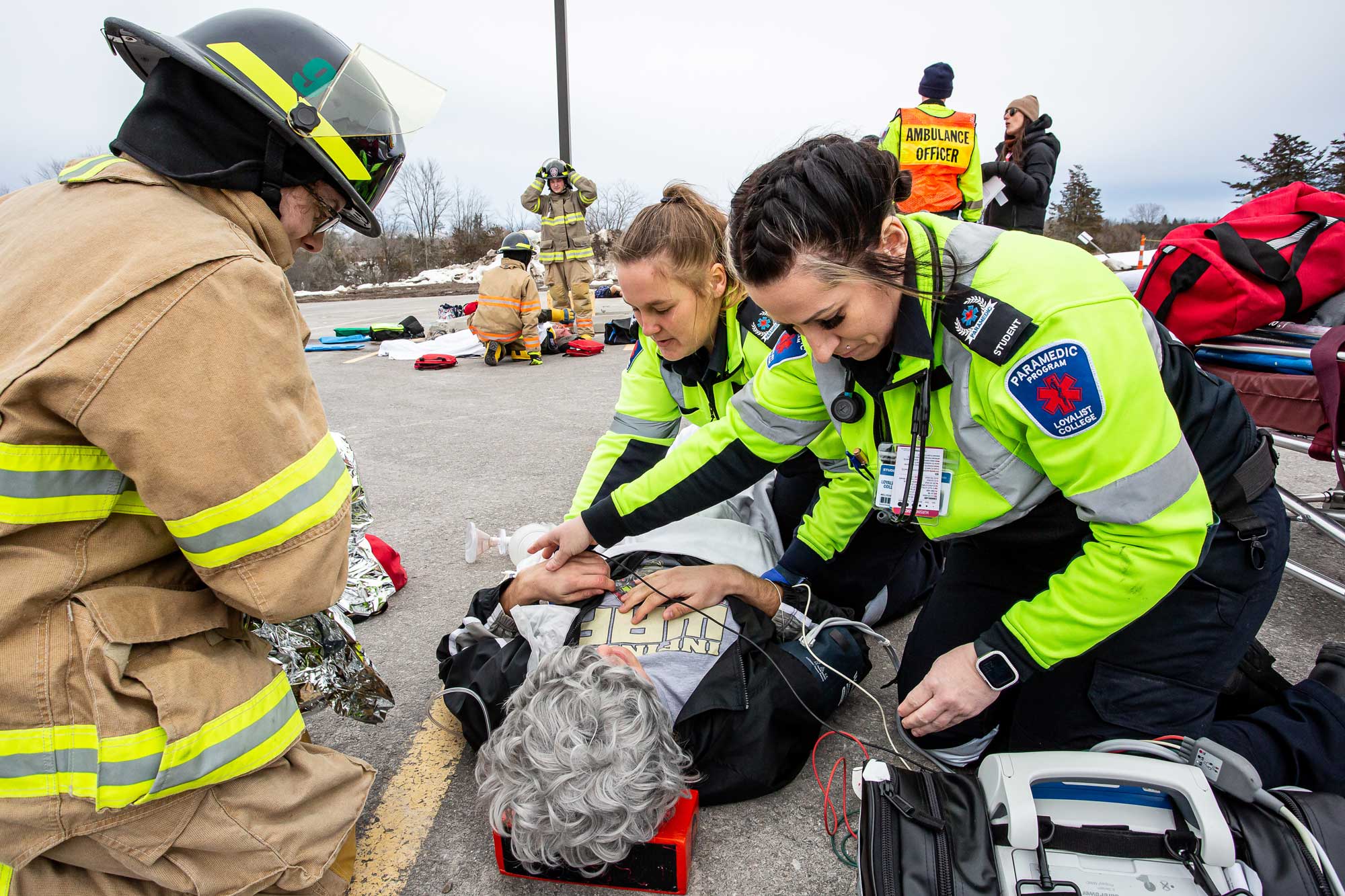
I am a student
Discover how experiential learning at Loyalist connects your classroom studies with real-world experience. Explore resources and tools to help you prepare for and make the most of your opportunity.
I am an industry or community partner
Partner with Loyalist to support student learning through hands-on experience. Learn how experiential learning can benefit your organization while helping students gain practical skills and fresh perspectives.
Experiential learning by the numbers
Our mission
At Loyalist College, we believe in the power of community and first-hand learning experiences. Experiential learning provides students with the ability to transform their learning into real-world impact. Through experiential learning opportunities, Loyalist College students become career ready graduates.
Deeply committed and engaged with community, experiential learning at Loyalist provides industry and community partners with access to exceptional student talent, thereby creating opportunities for industry innovation and growth.
Our vision
To empower students, through real world learning, in the pursuit of their future aspirations.
The experiential learning portfolio is committed to:
- meaningful experiential learning opportunities for students and industry and community partners
- robust quality metrics, therefore producing high impact experiences
- curriculum infused experiential learning opportunities, therefore producing career ready graduates
- equitable access to experiential learning opportunities for all students
Experiential learning at Loyalist College is characterized by three intersecting components:
- Curricular learning: Engagement in innovative and applicable curriculum connected to a student’s program of study
- Reflection and integration: Integrating and building knowledge by linking theory and practice.
- High impact experience: Providing meaningful, industry-relevant experience to students to practise learned skills and theories.
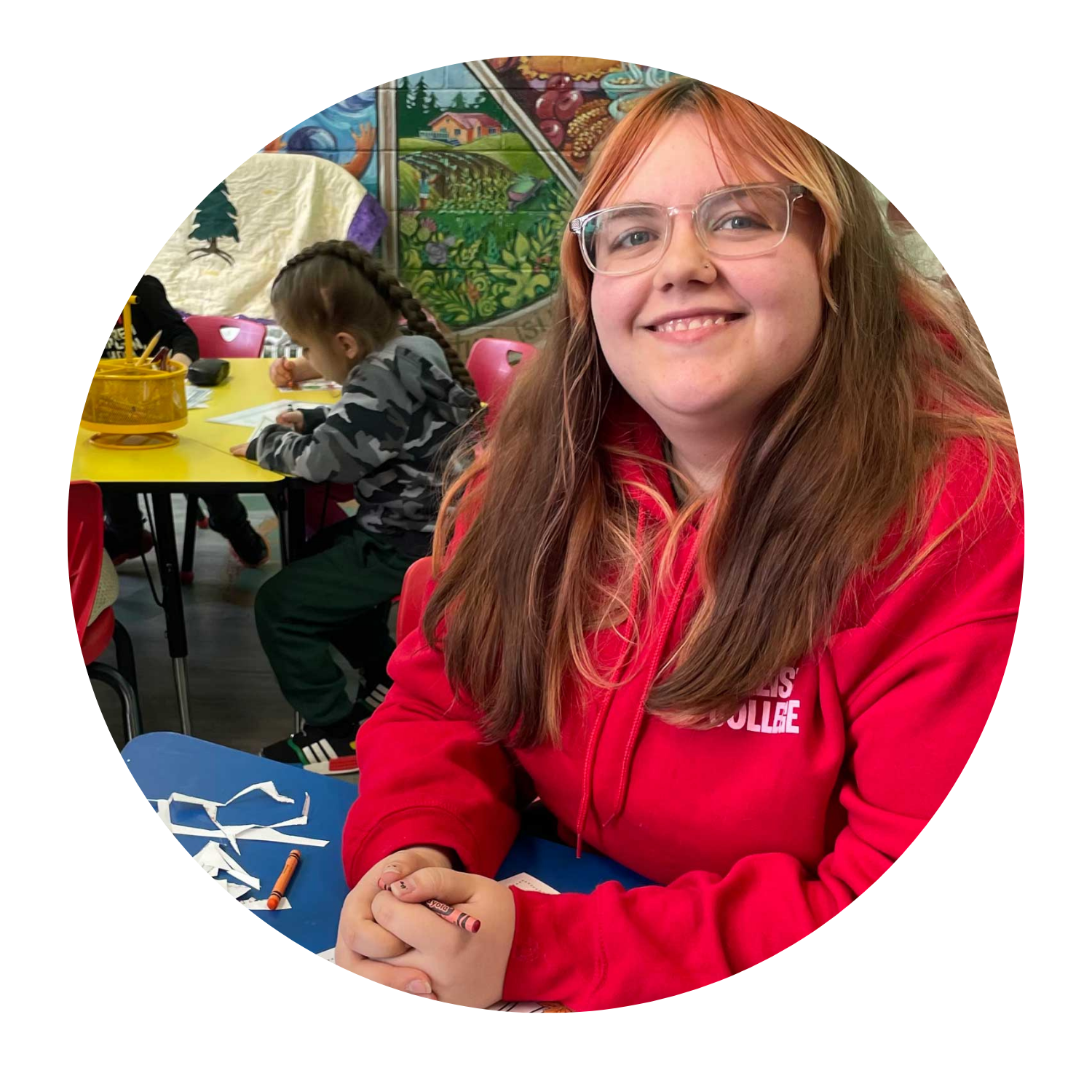
Types of experiential learning
Work-integrated learning (WIL) is a form of curricular experiential education that formally integrates a student’s academic studies with quality experiences. WIL experiences include an engaged partnership of an academic institution, a host organization, and a student. WIL can occur at the course or program level and includes the development of student learning objectives and outcomes related to employability, agency, knowledge and skill mobility and life-long learning.
Students are engaged in research that occurs primarily in workplaces, including consulting projects, design projects and community-based research projects.
Involves work experience under the supervision of an experienced registered or licensed professional (e.g., preceptor) in any discipline that requires practice-based work experience for professional licensure or certification. Practica are generally unpaid and, as the work is done in a supervised setting, typically students do not have their own workload/caseload.
Co-op work terms provide experience in a workplace setting related to the student’s field of study. The number of required work terms varies by program; however, the time spent in work terms must be at least 30 percent of the time spent in academic study for programs over two years in length and 25 percent of time for programs two years and shorter in length.
Provides students with an intensive part-time/short-term intensive hands-on practical experience in a setting relevant to their subject of study. Field placements may not require supervision of a registered or licensed professional and the completed work experience hours are not required for professional certification. Field placements account for work-integrated educational experiences not encompassed by other forms, such as co-op, clinic, practicum and internship.
Community service learning (CSL) integrates meaningful community service with classroom instruction and critical reflection to enrich the learning experience and strengthen communities. In practice, students work in partnership with a community-based organization to apply their disciplinary knowledge to a challenge identified by the community.
The definitions for the types of experiential learning listed above are from Co-operative Education and Work-Integrated Learning (CEWIL), Canada’s lead organization for work-integrated learning. Learn more about CEWIL.
Resources and policies
Have questions?
Contact us: experiential@loyalistcollege.com
Experiential learning news
Discover how Loyalist is putting experiential learning into action.
-

Loyalist College and H.J. McFarland Memorial Home partner on Living Classroom to support hands-on health care training
Belleville, ON, April 4, 2025 – This month, students from Loyalist College’s Personal Support Worker (PSW) program are participating in a unique hands-on learning experience developed in partnership with…
-
Loyalist College partners with Prince Edward County to launch new transit options for students in health care programs
Belleville, ON, Oct. 2, 2024 – Students in health care programs at Loyalist College now have improved access to experiential learning opportunities in Prince Edward County, thanks to…
-
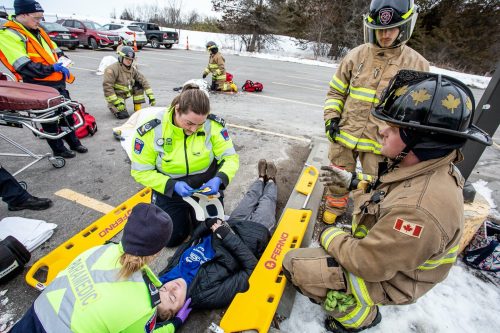
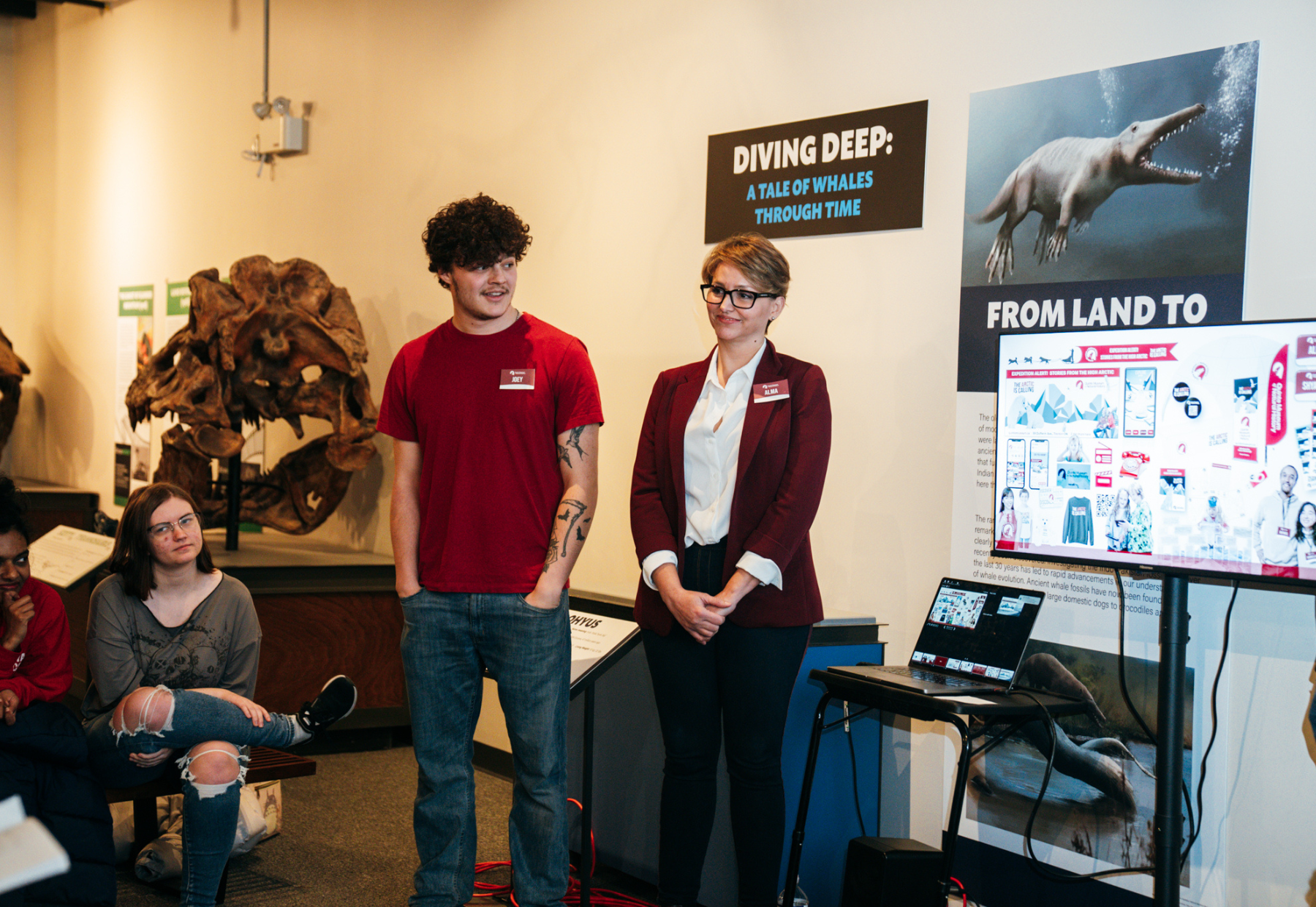
Loyalist College students practise skills in multi-casualty incident simulation
Belleville, ON, March 22, 2023 – It was hands-on learning in action on Loyalist College campus as students practised their emergency response skills in a simulated multi-casualty incident…