
Learning Where Life Happens: Inside Child and Youth Care Placements
A typical day on placement for a Child and Youth Care student might involve helping someone cook their first dinner, sitting quietly with a young person who needs to talk, or running a group activity that builds confidence and life skills.
It’s in these unassuming, everyday moments that students learn the most.
Students in Loyalist College’s Child and Youth Care program complete multiple placements in a wide range of community settings, gaining hands-on experience working with children and youth while helping them build independence, resilience and trust.
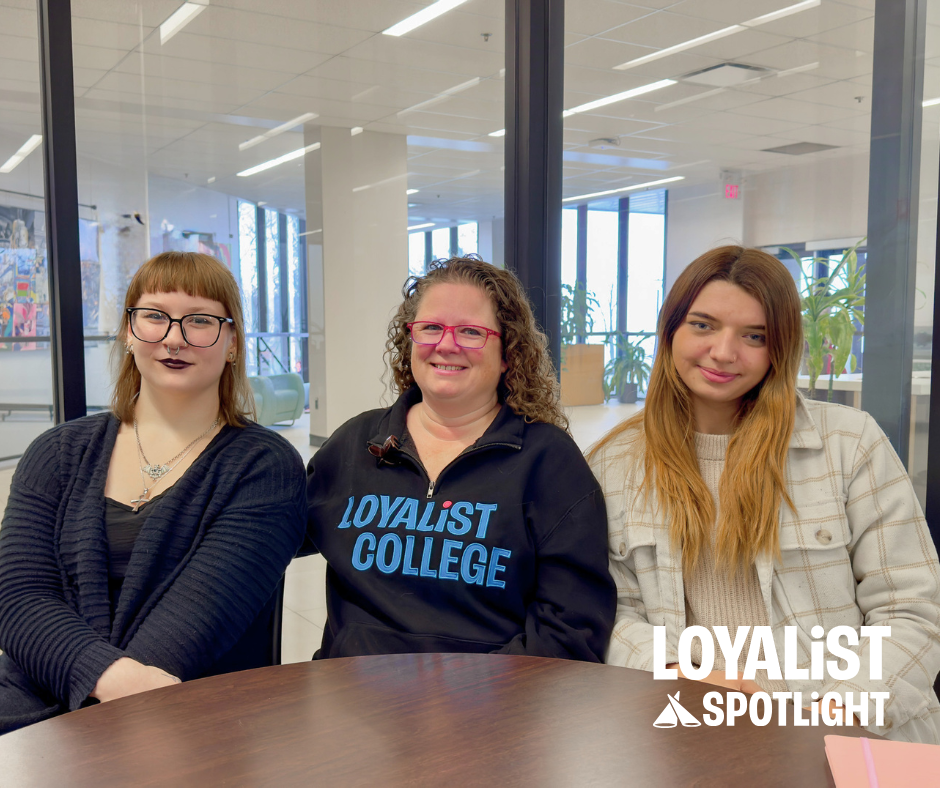
Fourth-semester students Serenity Casselman, Jennifer Hutton and Nayeli Mitchell are currently completing placements in three different care environments across the Bay of Quinte. While each setting is unique, one thing has been consistent: effective child and youth care begins with building trust.
Supporting independence
Serenity is completing her placement at Youthab, a transitional housing program that supports youth aged 16 to 24 as they learn to live independently.
The residence operates much like a shared household. Residents cook meals, complete chores and develop the practical skills needed for daily life, with staff and placement students offering guidance along the way.
“It’s a lot about helping them adapt to different situations,” she says.
A typical shift involves reviewing communication logs, checking in with residents returning from school or work, and assisting with everyday tasks like meal preparation. Serenity has also led group sessions on skills such as resumé writing.
“One individual came into the office really stressed about what to cook for dinner because the groceries they expected weren’t there,” she says. “We sat down together, talked through some options, and by the end we found something everyone enjoyed.”
Moments like this help young people build confidence and develop trust with those around them.
Intensive mental health support
Jennifer’s placement is at Honeywell House, a residential treatment program operated by the Canadian Mental Health Association that provides care for youth experiencing severe mental health challenges.
The small program typically houses four or five residents at a time, providing structured treatment while helping them develop coping strategies and life skills to support a successful transition back to their communities.
“Our goal is to teach them skills that will help them manage their symptoms and eventually live independently outside the treatment centre,” she says.
Placement students participate in daily programming, including Dialectical Behaviour Therapy (DBT) groups that focus on emotional regulation and problem-solving skills. They also assist with daily routines such as meals, schoolwork and recreational activities.
For Jennifer, the most powerful moments happen when relationships begin to form.
“You see the moment where they come back to you because they trust you,” she says. “Sometimes the help is just listening.”
A place to belong
Nayeli’s placement is at the Quinte West Youth Centre, a drop-in space where youth aged 10 to 18 can spend time after school — a very different environment from the more structured residential settings of other placements.
The centre offers activities such as sports, homework help, cooking classes, and art projects in an intentionally relaxed environment. Youth can come and go throughout the evening, gathering for dinner and activities before heading home.
Nayeli says the centre often becomes an important safe space for young people who may not feel fully supported elsewhere.
“A lot of our youth are part of the LGBTQ community and don’t feel accepted at home,” she says. “They know they can come here and talk about anything.”
In one memorable moment, Nayeli helped a young person explore their gender identity by visiting the centre’s donated clothing room, where clothing and personal items are available in a welcoming environment.
“They were really excited to go through everything and find things that made them feel comfortable,” she says.
Learning through real experience
Because child and youth care happens in the environments where young people live and spend their time, it often unfolds during ordinary activities: preparing meals together, playing games, or helping someone work through a difficult moment.
But across every placement setting, students say one lesson comes up again and again.
“Everything leads back to building relationships,” says Jennifer. “You’re dealing with the whole person, not just the challenge they’re facing.”
Placements give students the opportunity to build those skills while discovering which roles and environments resonate most with them. Some arrive with a clear career path in mind, while others find themselves drawn to settings they hadn’t previously considered.
“You don’t actually know where you fit until you try it,” Nayeli says.
For many Child and Youth Care Practitioners, that sense of fit comes from knowing their presence can make a difference in a young person’s life.
“Sometimes, just showing up can change everything,” Jennifer says.
Submit a Story Idea
Your story is part of what makes our community extraordinary. From hands-on learning innovations to life-changing partnerships, the moments that unfold at Loyalist deserve to be celebrated.
Have an inspiring achievement, classroom breakthrough, or community collaboration to share? Submit your story idea below and help us showcase how small gives us the power to do BIG things every day.
Related News

Building a Creative Community: Wendy May Recognized by Quinte Arts Council

“Success doesn’t have an expiration date:” How one Loyalist nursing student is rewriting her story