Renewable Energy Systems (Post-graduate)

Contribute to a greener and more sustainable future by addressing the growing demand for professionals who can innovate and implement renewable energy technologies.

Home / Learn / Programs List / Renewable Energy Systems (Post-graduate)
Credential
Ontario College Graduate Certificate
Duration
Two semesters
Start Date(s)
September (Fall)
Locations
Belleville
Open to
International Students
Domestic Students
CIP Code
14.4899

Find your career

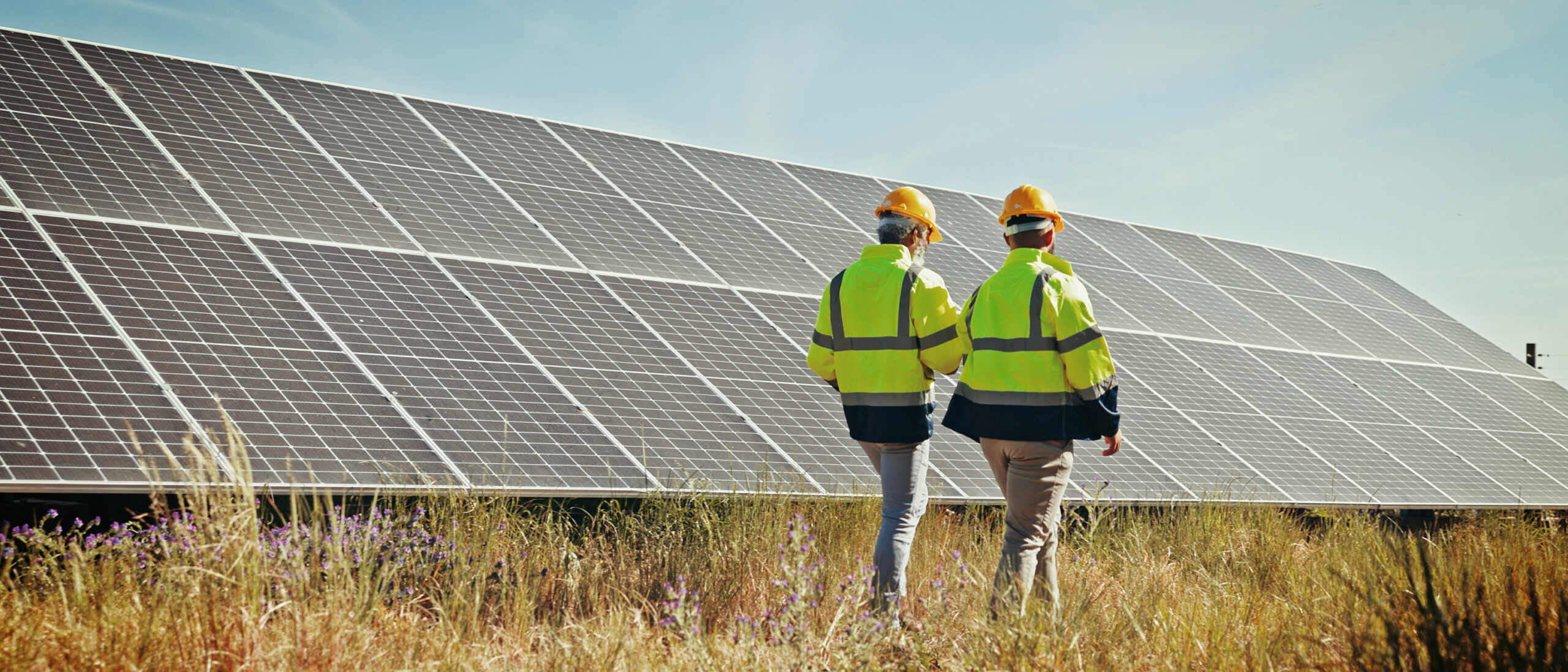
Renewable Energy Systems technicians responsibilities include the installation, commissioning and maintenance of alternative energy power systems. 

  • Work with technology to produce electrical power from wind and solar. 
  • Help manage battery storage unites (off grid applications) and integration with the provincial electrical grid. 
  • Prepare technical reports with regards to site evaluation, energy productions vs requirements, and cost/benefit analysis. 

Is it for you? 

Renewable Energy Systems would be good if you:

  • Have a good working knowledge of local, provincial and national codes and regulations. 
  • Enjoy hands-on learning. 
  • Enjoy working with technology. 

How you'll learn

Experiential Learning

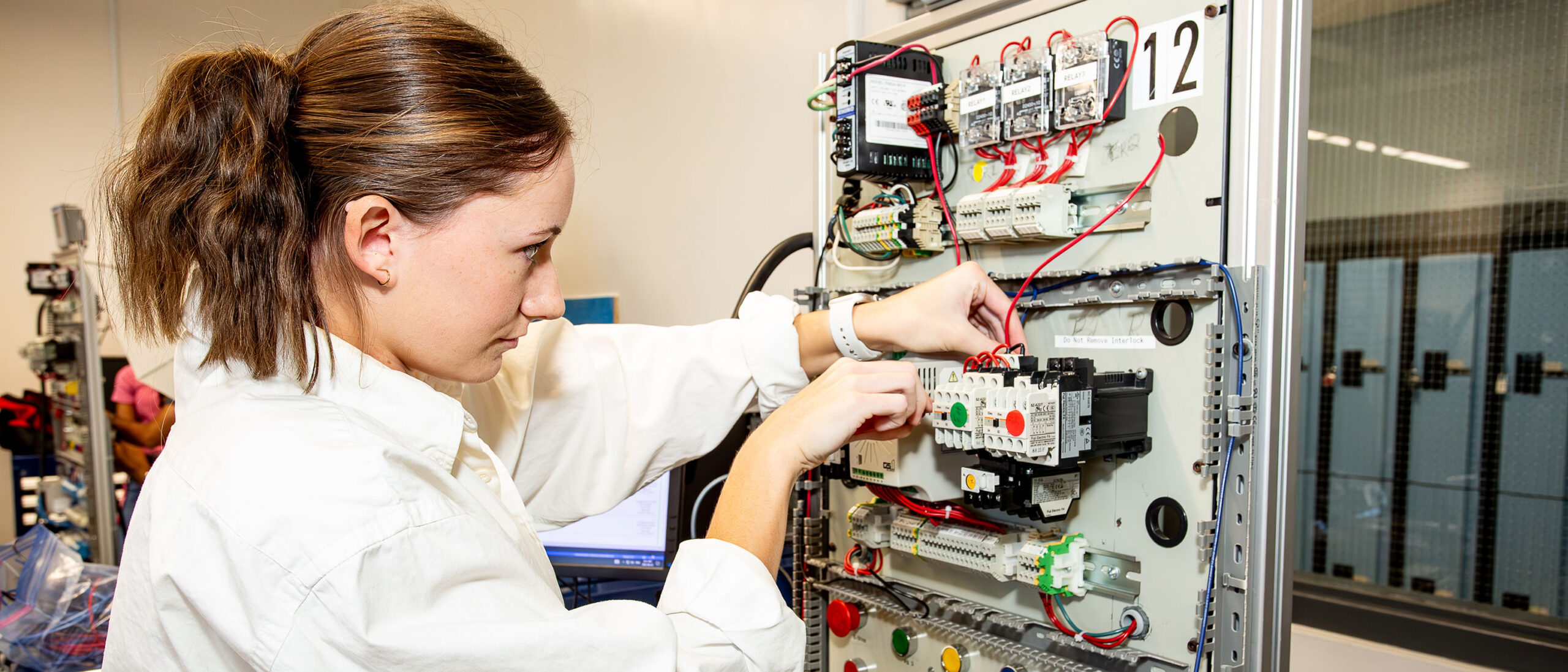
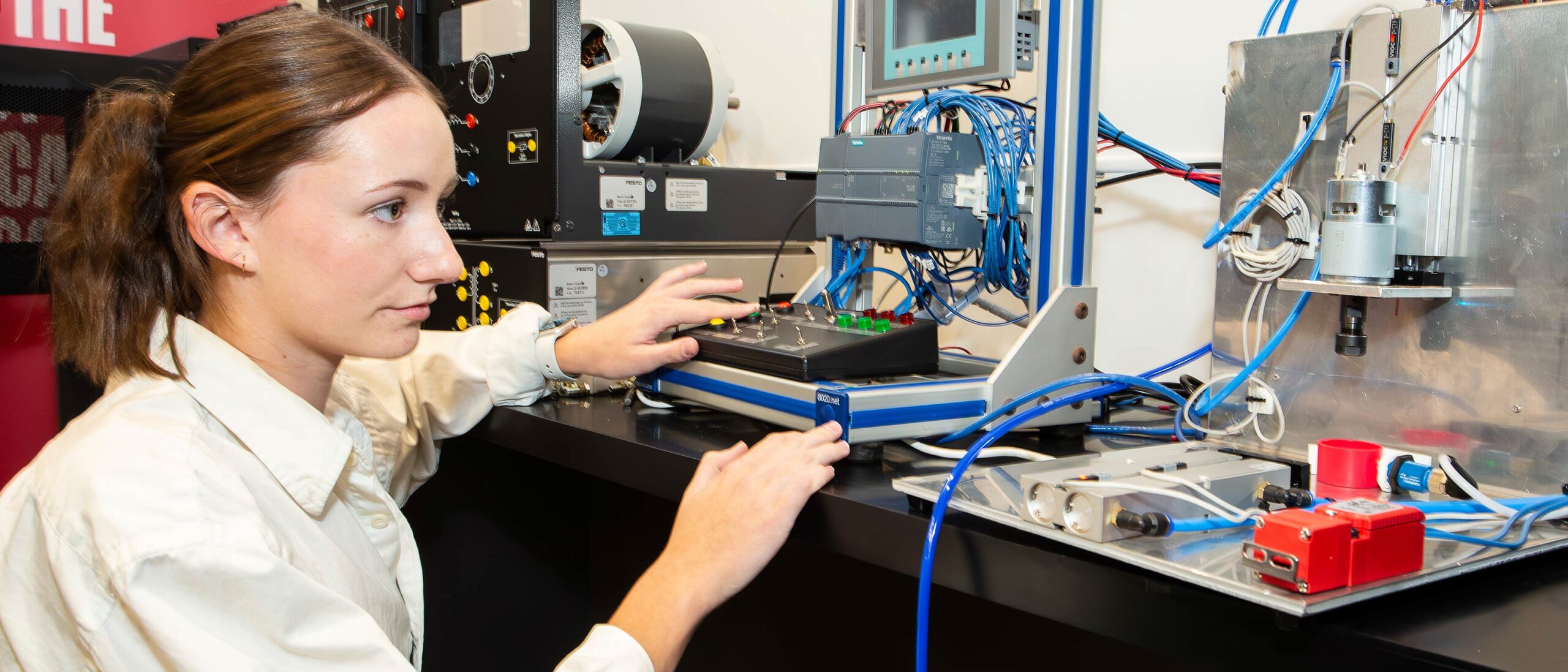
This program emphasizes the practical application of theoretical knowledge, ensuring that students are well-prepared to enter the rapidly growing renewable energy sector.

  • Learn through a combination of faculty-led instruction, hands-on lab exercises, individual and team assignments, and project-based assessments.
  • Engage in core courses that cover a wide range of renewable energy technologies, including solar photovoltaic (PV) systems, wind energy systems, bioenergy, and energy storage technologies.
  • You will be introduced to key concepts in energy systems integration, such as energy auditing, sustainability practices, and project management, with a focus on real-world applications.
  • Work in well-equipped labs, simulating real-world environments to gain experience in installing, operating, and maintaining renewable energy systems.
  • Use industry-standard tools and techniques to design and implement solar and wind power installations, biogas production systems, and energy storage solutions.
  • Learn to conduct site assessments and apply sustainability principles to energy projects.

Courses

REGS1001 Electrical Fundamentals for Renewable Technologies

The learner will explore electrical and electronic principles with a focus on their application in renewable energy technologies, developing a strong foundation in electrical engineering for both conventional and renewable systems while gaining a practical understanding of wind and solar power generation.

REGS1005 Energy Storage Systems for Renewable Energy Integration 1

The learner explores the fundamentals of energy conversion and energy storage systems, with a focus on their integration into renewable energy systems. Emphasis is placed on Battery Energy Storage Systems (BESS) and their applications across commercial, industrial and renewable energy settings. The learner applies basic energy calculations, energy management principles and supply–demand relationships within the context of energy storage. Exploration of lithium-ion battery technologies also supports the application of this knowledge to related sectors such as electric vehicles, power tools and other energy-dependent technologies.

REGS1000 Energy System Fundamentals

The learner will explore alternative energy technologies beyond mainstream wind and solar photovoltaic systems, including hydro, biogas, hydrogen and geothermal heat exchange systems. The learner analyzes how renewable energy systems operate, where they are applied and the challenges associated with their integration into modern energy infrastructures. Emphasis is placed on analysis, design and operational considerations, enabling the learner to evaluate and contribute to energy systems that promote sustainable, secure and efficient energy generation.

REGS1002 Solar Energy

The learner will explore solar energy technologies and their role in meeting the heat and electricity needs of residential and commercial buildings. The learner investigates the essential components of solar energy systems, including solar thermal and photovoltaic technologies and applies the key considerations for planning, designing and safely installing these systems. The learner analyzes the economic and environmental feasibility of solar energy system designs, with emphasis on photovoltaic panel types, system design and sizing and key components such as batteries and converters.

REGS1004 Sustainable Building Science

The learner explores sustainable building design and construction by examining the environmental impacts of building materials, energy-efficient systems and construction methods that minimize waste and reduce carbon footprints. Key topics include green building certifications (LEED, BREEAM), renewable energy integration, sustainable site planning and indoor environmental quality. Through case studies and hands-on projects, learners apply scientific principles to create high-performance, resource-efficient buildings and optimize designs for energy efficiency, occupant health and environmental sustainability. These learning experiences support preparation for careers in green architecture, engineering or environmental consulting.

REGS1003 Wind Energy

The learner investigates wind energy by exploring the mechanical, electrical and hydraulic systems that drive wind turbine operation and the fundamental principles of wind energy conversion. The learner examines wind turbine blade design, including Blade Element Momentum (BET) theory and analyzes different types of turbines, from HAWT to VAWT. Throughout the course, learners apply knowledge of system design, sizing and feasibility studies to wind energy generation projects.

REGS1007 Digital & Power Electronics

The learner explores both digital circuits and power electronics through integrated theory and practical lab experience, applying knowledge of digital circuit design and power electronics to industrial applications and advanced electrical systems.

REGS1010 Energy & Project Management

The learner develops foundational knowledge in project management by exploring essential principles, methodologies and tools to plan, execute, monitor and close projects effectively. Emphasis is placed on managing projects within defined timeframes, budgets and quality standards, while supporting innovation, fostering collaboration and achieving organizational objectives across various industries and sectors.

REGS1008 Energy Regulations and Safety Practices

The learner explores energy regulations, legislation, and safety practices as they apply to the renewable energy industry with a particular focus on wind and solar photovoltaic (PV) power generation and system integration. Prerequisite: REGS 1000, REGS 1001

REGS1011 Energy Storage Systems for Renewable Energy Integration 2

The learner explores energy conversion and energy storage systems and their integration into renewable energy systems, building on concepts from Energy Storage Systems for Renewable Energy Integration 1. Current and innovative energy storage technologies are examined and assessed with applications across commercial, industrial, and renewable energy settings, including the identification of opportunities within the industry. The learner applies energy calculations, energy management principles, and economic considerations in the context of energy storage and extends this knowledge to related sectors. Emerging trends and future developments in renewable energy systems are also evaluated. Prerequisite: REGS 1001, REGS 1005

REGS1006 Generation, Transmission and Distribution of Electric Power

The learner explores the processes involved in the generation, transmission and distribution of electrical power, with a focus on renewable energy integration. Exploration includes synchronous and induction generators, along with the design and operation of transformers. Prerequisite: REGS 1001

REGS1009 Solar and Wind Power Installation, Maintenance and Operation

The learner develops hands-on skills in the installation, maintenance and operation of solar photovoltaic (PV) and wind power systems with a focus on real-world applications in renewable energy. Through a combination of theoretical instruction and practical experience, the learner develops technical skills to assess, design, install and maintain renewable energy systems in both residential and utility-scale environments, while applying knowledge of open-source computational fluid dynamics software such as OpenFOAM. Prerequisite: REGS 1002, REGS 1003

REGS1012 System Integration Project

The learner applies knowledge, skills, and techniques acquired throughout the Renewable Energy Systems program to a comprehensive, real-world project. This culminating experience integrates multiple areas of renewable energy, sustainability practices and engineering principles into a hands-on project that emphasizes innovation, critical thinking and problem-solving. Co-requisite: REGS 1009

*Courses subject to change.

Man in safety vest and hard hat staring up at a blue sky with minimal clouds. Windmills are visible above him. 14 green circles are in the bottom left of the image for decoration.

Admission requirements

Required academic preparation

  • An Ontario College Diploma, Advanced Diploma, or Degree, or equivalent, in mechanical or electrical engineering or a related field (e.g., energy, sustainability, building and environmental sciences); OR
  • An Ontario College Diploma, Advanced Diploma, or Degree, or equivalent, in a non-related field, with a minimum of two years of relevant work experience in the mechanical or electrical engineering field or a related field.


Additional requirements

*Additional materials, trainings and certifications may be required depending on industry partner requirements connected to experiential learning. Pre-placement requirements are subject to change based on placement agency and/or legislative or regulatory changes.

Costs

Approximate costs (2025 – 26, two semesters at full-time student status)*

  • Domestic Tuition: $2,722.08  
  • Full-Time Ancillary Fees: $1,595.26 
  • Total: $4,317.34

Additional student-purchased costs may include textbooks, supplies, software, and other resources. Additional expenses related to off-campus experiential learning activities may also be incurred. 


*All fees are subject to change. Fees for programs shorter or longer than two semesters will be adjusted accordingly. In addition to the costs listed above, some programs also have program ancillary fees based on their specific requirements. For a detailed breakdown of tuition and ancillary fees – including any program-specific charges – please visit the Tuition and fee schedule 2025–26. 


Paying for college

At Loyalist College, we believe that cost should never be a barrier to your success. We’re here to help you navigate the costs of college and connect you with a variety of financial aid programs, resources and donor-supported awards. Explore paying for college.

Approximate costs (2025 – 26, two semesters at full-time student status)*

  • International Tuition: $15,900
  • Full-Time Ancillary Fees: $1,595.26
  • Mandatory Health Insurance: $659
  • Total: $17,254.26

Additional student-purchased costs may include textbooks, supplies, software, and other resources. Additional expenses related to off-campus experiential learning activities may also be incurred. 


*All fees are subject to change. Fees for programs shorter or longer than two semesters will be adjusted accordingly. In addition to the costs listed above, some programs also have program ancillary fees based on their specific requirements. For a detailed breakdown of tuition and ancillary fees – including any program-specific charges – please visit the Tuition and fee schedule 2025–26. 


Paying for college

At Loyalist College, we believe that cost should never be a barrier to your success. We’re here to help you navigate the costs of college and connect you with a variety of financial aid programs, resources and donor-supported awards. Explore paying for college.

Further studies

Pathways and university transfer

What’s next? Build on the knowledge and skills you learned at Loyalist by continuing your academic journey. Return to Loyalist to complete a second post-graduate program in as little as a year, or receive credit recognition for your Loyalist studies when pursuing a degree at a university. Explore pathway opportunities.