
Dual Credit Programming
Loyalist College offers a variety of Dual Credit courses for high school students to experience college and explore career pathways.
Credential: High School and College Credit
Start Date: September and February
Location: Various
Contact: scwi@loyalistcollege.com
Pathways
Dual Credits are a great way for high school students to find out about the various pathways that are linked to their areas of interest.
For instance:
- The Construction Dual Credit is popular among students who enjoy working with their hands, have an interest in seeing a project through from the early stages to finished product, or like the idea of being self-employed. Loyalist College graduates of the Carpentry and Renovation program work in a careers, such as:
- Construction Framers
- Chief Estimators
- Carpenters
- Granite Fabricator Installers
- Landscapers
- An Early Childhood Education Dual Credit can introduce you to a fulfilling career. A career in early childhood education is well-suited to people who are patient and compassionate and who have a creative approach to problem-solving. Early Childhood Education graduates work in:
- Full-day kindergarten programs
- Childcare centres
- Resource centres
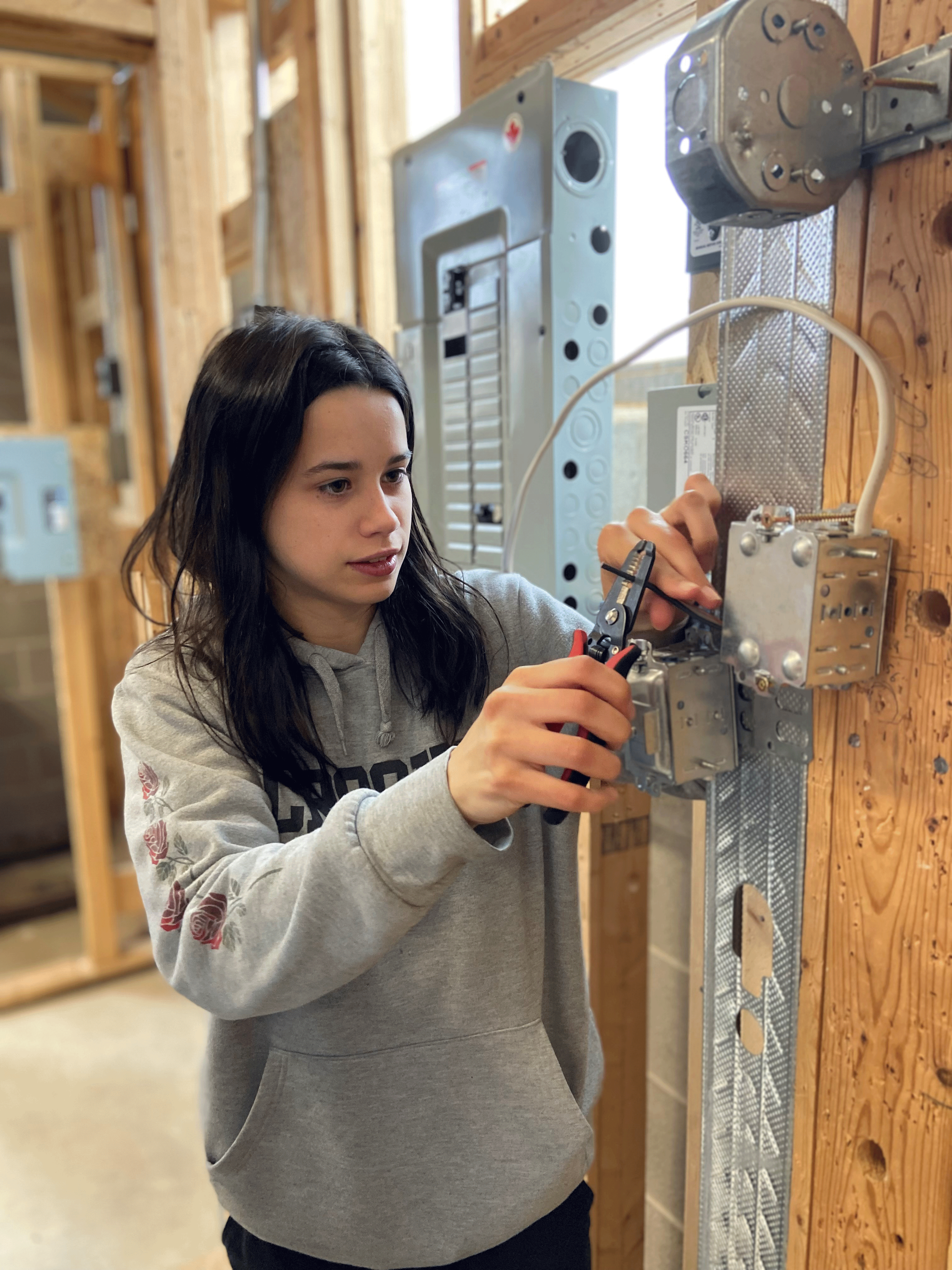
- Participating in an Electrical Basics Dual Credit can provide students with a sense of what to expect if they are considering a career in the electrical industry. Loyalist’s Electrical Engineering Technician – Industrial and Electrical Techniques programs prepare our post-secondary students for careers that could range from working in a Industrial, construction/maintenance electrician, to Electrical Inspector to a Construction/ Maintenance Electrician.
Find out about the careers Loyalist College graduates are enjoying by reviewing the individual descriptions listed in the Programs & Courses section of our website. Loyalist College offers a variety of Dual Credit courses for high school students to experience college and explore career pathways.
How you’ll learn
Advantages of taking a Dual Credit course
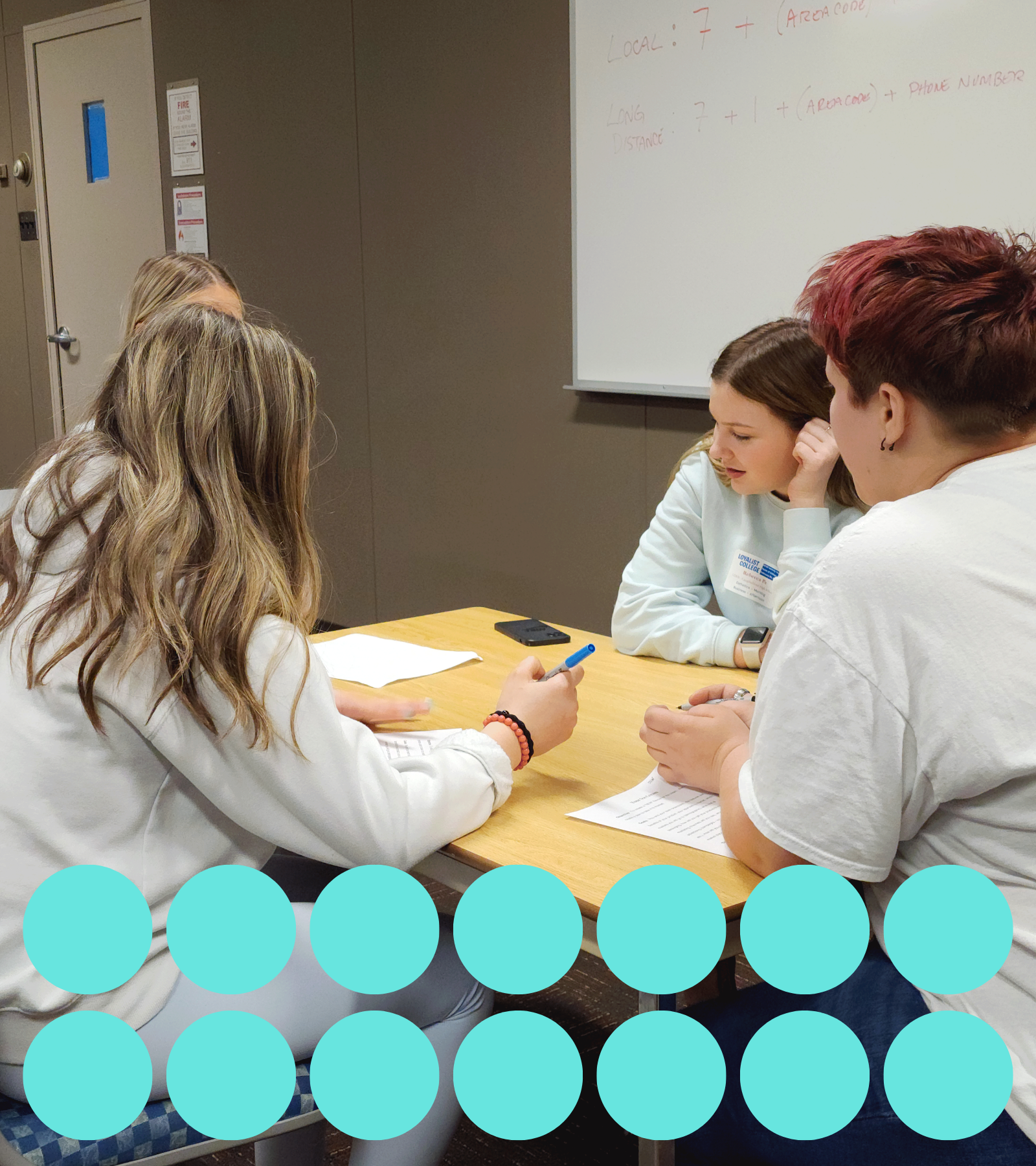
Get a head start on your post-secondary studies by earning (FREE!) college credits while completing your high school courses. You’ll also be able to experience college life and explore future career options.
Enjoy access to many supports and activities available to full-time Loyalist students, including:
- Canvas (Loyalist’s online learning management system)
- The Parrott Centre Library
- The Indigenous Resource Centre
- Health and Equitable Learning
- Student Life activities
Upon successful completion of a Dual Credit course, your school board will receive an unofficial transcript to be delivered to you.
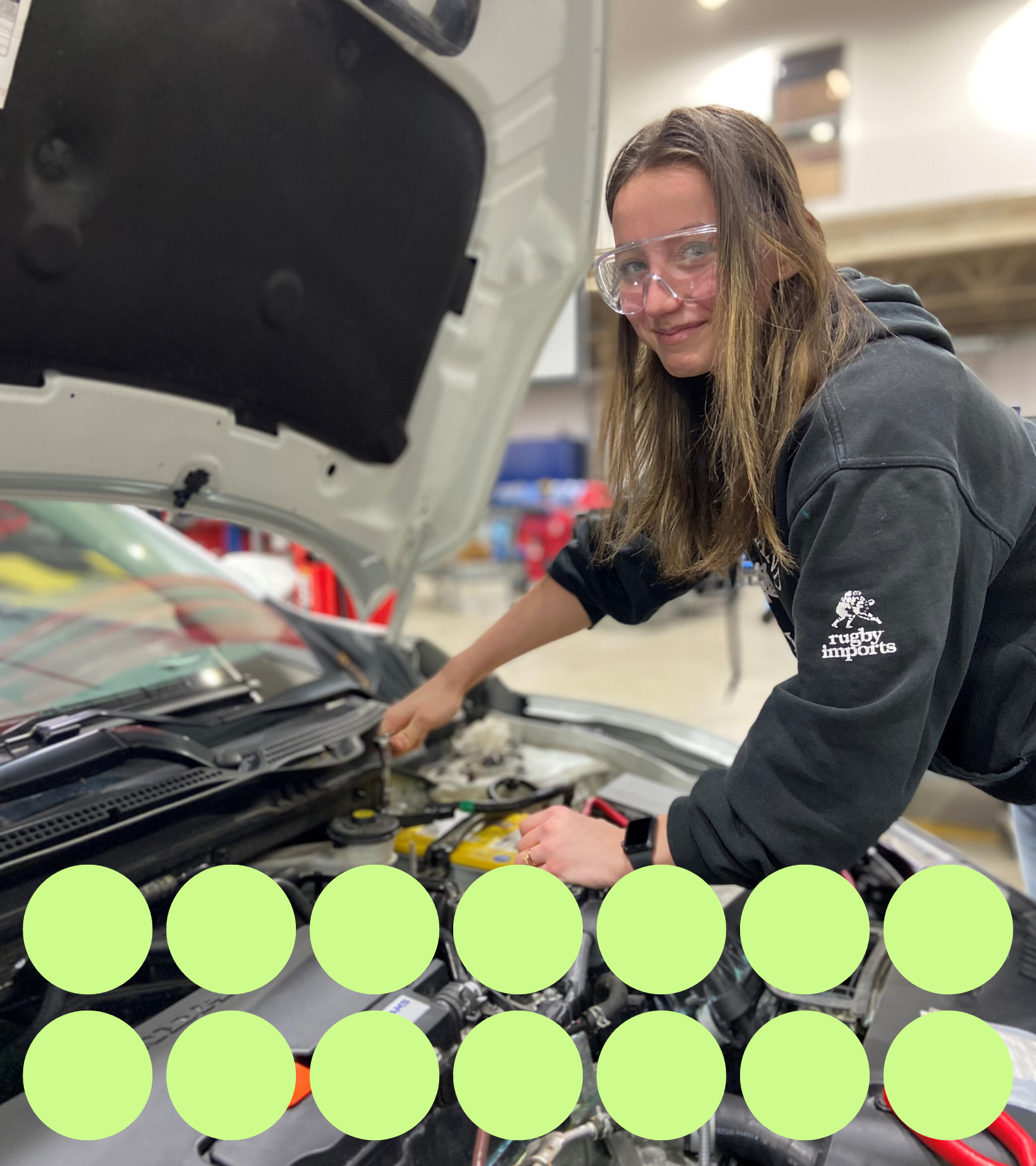
Hands-on learning delivered by a college professor
Loyalist College Dual Credit courses are delivered through the following delivery methods:
- Congregated Dual Credits
- Delivered at Loyalist’s main campus
- Class consists of students from various local area high schools
- Taught by a college professor/instructor
- Students travel to the college one morning per week to attend class (usually 9 am – 12 pm or 9 am – 1 pm)
- Free transportation is arranged by school board
- Small class sizes of 14 – 20 students
- Learn in Loyalist shops and labs
- High school reps are on campus
- Team Taught Dual Credits
- Delivered at your high school
- Entire class of students participates
- Course is “team” taught by a secondary school teacher and a Loyalist professor/instructor
- Students travel to Loyalist campus for one full-day class held in the college’s shops or labs (transportation and lunch provided)
AccessAbility Services
Students with IEPs are encouraged to register with Loyalist’s Student Success services if they would like to take advantage of academic supports and accommodations that may increase their chances for success. For more information about the services, or help in applying, contact Amanda Hanninen at Loyalist College (AHanninen@loyalistcollege.com).
Indigenous Centre
The Indigenous Centre was established to ensure appropriate support for Indigenous students on campus. In addition to offering a range of resources, the Indigenous Centre has a study space with access to computers, internet and email, a video and text library, and current Indigenous newsletters and papers.
Courses
This course focuses on building basic skills involving general tool work and layout techniques. Content will be delivered through a balance of theory and practical applications. Students will develop and practise construction skills with both hand and power tools.
This course will provide an introduction to play as a means to early learning that capitalizes on children’s natural curiosity and exuberance. Students explore the role of play in early learning and development and will be introduced to a variety of play-based learning opportunities.
This introductory course provides an overview of key principles of child development. A variety of theories that explain how children develop and learn as well as research methodologies used to further knowledge in this field will be examined. Foundations for supporting development and learning are introduced and emphasis is given to the understanding of the uniqueness and diversity of children’s developmental context. This introductory course will examine biological and environmental influences on growth and development with a focus on conception, prenatal development and childbirth.
This course will introduce students to the history of a variety of skilled trades in Canada. Students will learn about the evolution of various trades, necessary employability skills, how training is conducted and certified (if certified), industry trends and requirements, and employment options. Lectures will be augmented with experiential learning so that students can gain a realistic appreciation of the trade, as well as the effects that technological advancements have played in advancing the efficiency and effectiveness of equipment and tools used by the selected trades. Guest speakers will provide students with first-hand insight into their respective professional experiences. Trades intended for exploration during this course include, but are not necessarily limited to: Carpentry, Electrical, Automotive, Manufacturing, Welding and HRAC. At the conclusion of the course, students will be required to choose one of the skilled trades as their chosen profession and present the rationale in defense of their choice.
**This is both a theory and practical course. Students should be prepared to practice in a variety of skills pathways.
Students learn basic installation practices relating to electrical wiring systems used in residential, commercial and industrial buildings. Students use hand tools, machinery and the actual materials used in industry. Emphasis is placed on the quality of work and safe and professional working practices.
Students are introduced to standard practices used in the inspection, dismantling and replacement of components such as bearings, chain and belt drives, and couplings.
Students learn an introduction to the theory and practice of welding, providing a strong background in the various fabrication processes. The course will cover oxyacetylene welding, brazing, cutting, G.M.A.W. (Gas Metal Arc Welding) and S.M.A.W. (Shielded Metal Arc Welding).
A portfolio for lifelong learning has many benefits, such as better adaptation to change and improved opportunities for employment and personal enrichment. This course will introduce learners to reflective practices as they relate to portfolio development and lifelong, life-wide learning. Learners will also develop an understanding of the various types of portfolios, their uses and the process for developing them.
What we eat, how we move and how we manage stress all have profound effects on our lives and our learning. Wellness explores the basics of physical, emotional and spiritual health and the importance of balancing these areas. Healthy nutrition and lifestyle activities will be discussed, practical stress-management techniques will be demonstrated and spiritual connections to our creativity are explored. Students will take part in a variety of exercises in a friendly environment.
This course will focus on gaining knowledge of supporting and promoting a safe and comfortable environment for individuals and their families across the lifespan.
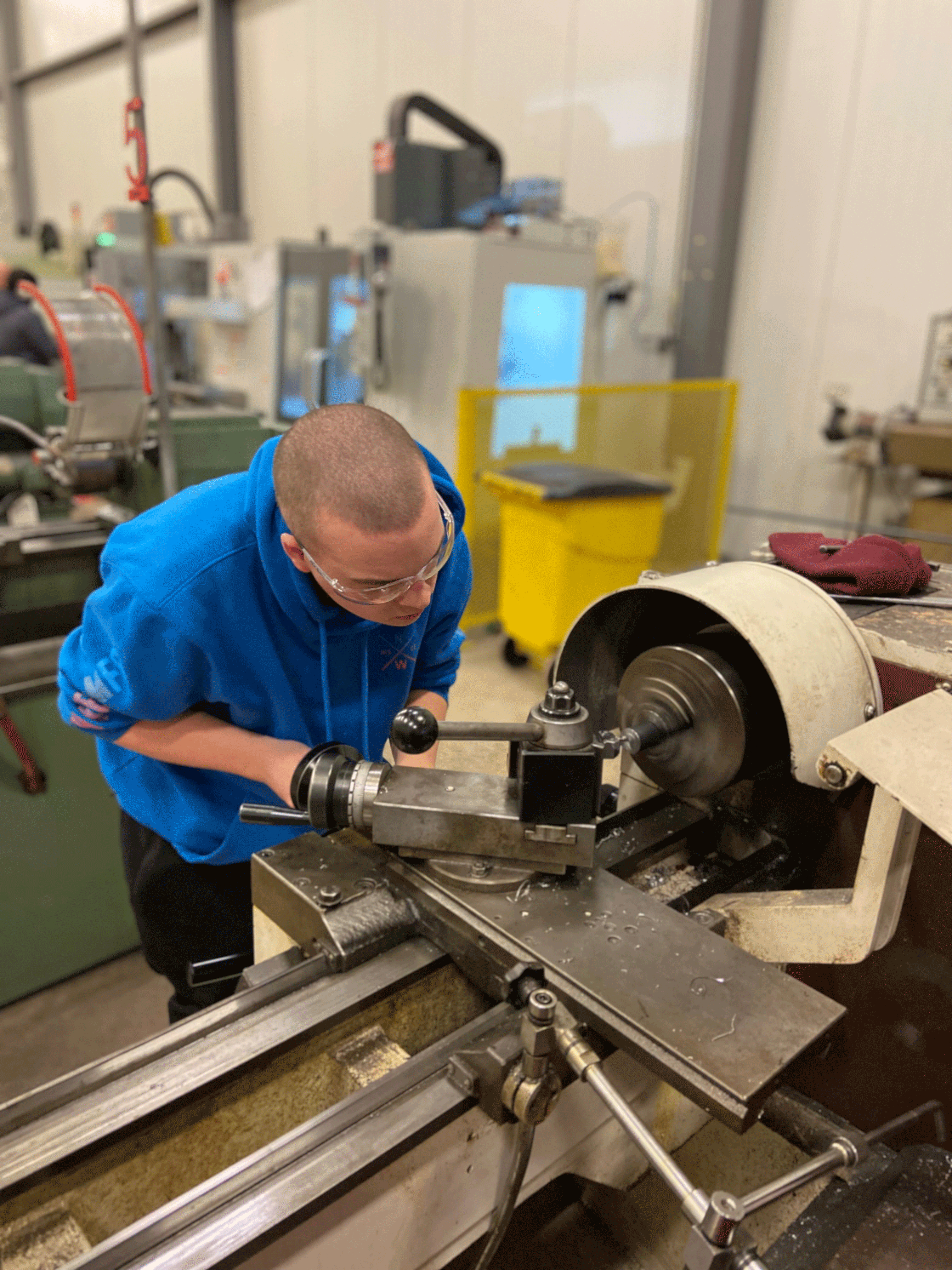
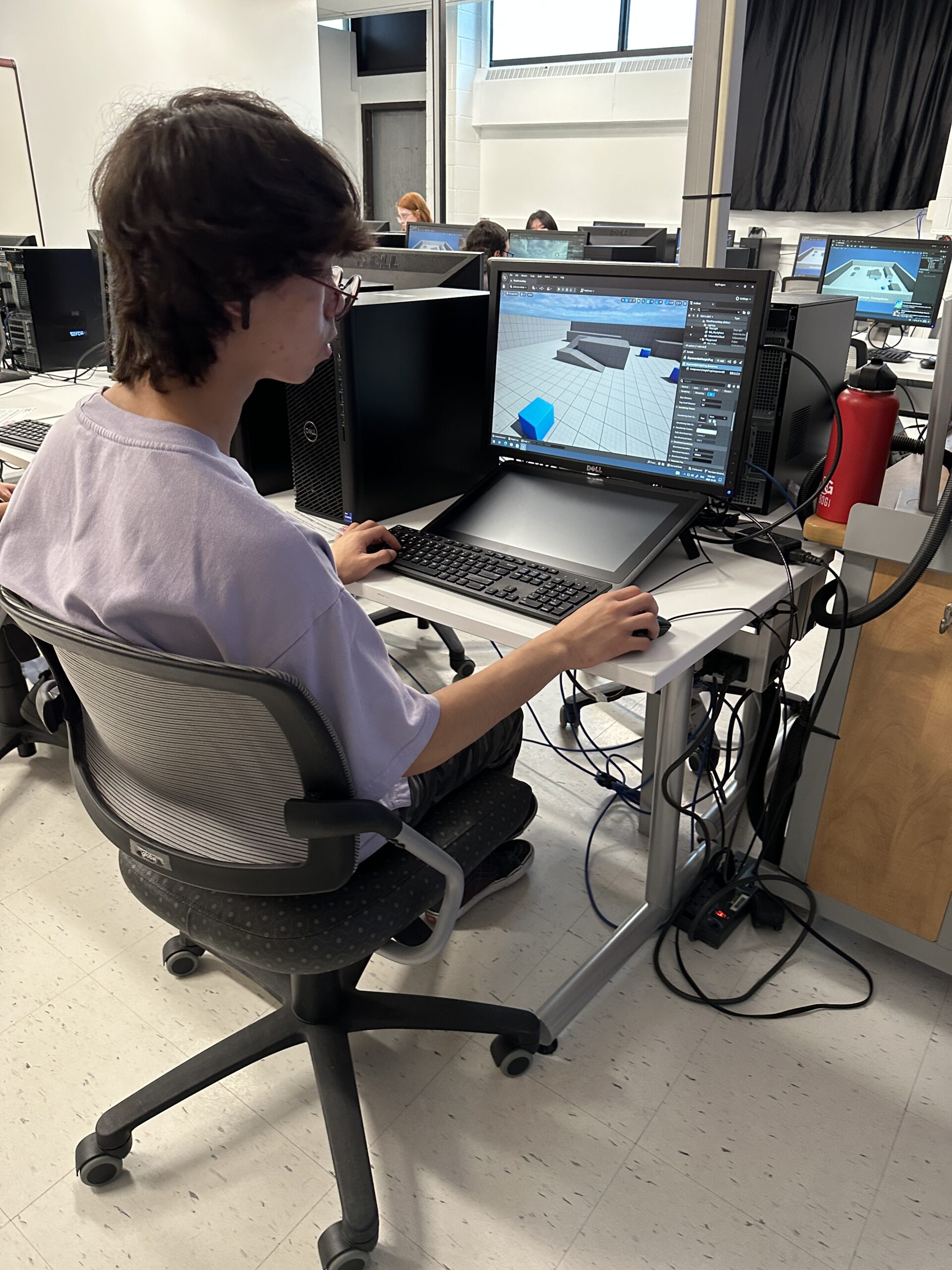
The objective of this course is to provide the student with the foundation of NC programming for turning and machining centres. The students will use computer aided methods to create NC programs and run the machine tools to produce a variety of components.
Students will learn the basics of metal cutting using various machine shop tools including engine lathes, milling machines, drill presses, grinders, as well as various hand tools. Shop safety aspects and principles of metal cutting are discussed.
Students engage in individual and group exercise activities in a variety of indoor and outdoor settings. Emphasis is placed on personal development through all aspects of the wellness continuum. Students are introduced to lifestyle enhancement methods including aerobic conditioning, strength training, flexibility, stress management and nutrition.
Costs
There are no costs to the student! Funding for Dual Credit courses is provided by the Ministry of Education and the Ministry of Colleges and Universities. This funding covers all costs, including transportation to and from the Loyalist’s campus for all congregated courses.
Eligibility and how to apply
Our programs are mostly for Grade 11 or 12 students from the following school boards:
- Algonquin and Lakeshore Catholic DSB
- Hastings and Prince Edward DSB
- Limestone District DSB (limited courses due to availability of Dual Credits at St. Lawrence College)
Information about Dual Credits programs Loyalist offers for the following school boards is available at earndualcredits.ca:
- Kawartha Pine Ridge DSB
- Peterborough Victoria Northumberland and Clarington Catholic DSB
- Trillium Lakelands DSB
Schedule an appointment with your high school guidance counsellor to complete your application.

FAQs
Students are allowed to have up to four college-delivered Dual Credits appear on their transcript. Students may have an unlimited number of team-taught Dual Credits on their transcript. For more information on the types of Dual Credits, please see the “How You’ll Learn” tab.
Dual Credit courses are FREE! As dual credits areMinistry funded, students are not required to pay fees or transportation costs for most Dual Credit courses.
College course hours vary. Dual Credits are usually delivered once or twice per week within the normal high school timetable. Travel time and required field trips may impact other secondary school courses in certain cases.
Travel to the college will vary depending on where, when and how the Dual Credit program is delivered. Information will be provided to students before the program begins. Transportation costs for buses or taxis are covered by the dual credit program funding.
Students will see a record of their Dual Credit on their Ontario Secondary School Transcript and/or on their college transcript. Loyalist College provides an unofficial transcript to each school board for distribution to secondary school guidance departments for filing in the student OSR.
Students who complete Dual Credits are often better prepared for post-secondary work. They are also able to build their admissions portfolios and, in most cases, can apply credits to certificate or diploma requirements. Gaining confidence in their ability to complete post-secondary work is a valuable part of the program.
Yes – every Dual Credit program has a college instructor and a secondary school teacher assigned to support student learning. It is important that students with formal testing or an identified learning need, make their Dual Credit and college teachers aware so that additional support can be provided.
Students who will be absent must contact the secondary school following the normal absence procedures. In most cases, the College instructor would also like to be notified. Frequent absences will put the successful completion of the credit in jeopardy.
College academic expectations apply to all Dual Credit courses. These are shared with students at the beginning of each course.