
Building Belonging in Residence
As he settled into his first afternoon in residence at Loyalist College, Peter Okumbor (Electrical Techniques, 2025) had one thing on his mind: cooking a comforting meal. But he needed pots and utensils, and he had no idea where to find them.
“Can you show me how to get to Value Village?” He remembers asking a member of the Residence team.
It was a small question at the beginning of a much bigger transition. Peter had travelled more than 8,000 kilometres from Lagos, Nigeria, and was living away from his family for the first time.
After spending his first month in Canada with a friend in Toronto, the relative quiet of Belleville came as a culture shock. “There were moments when I thought, ‘Did I make a mistake? What did I do?’” he recalls.

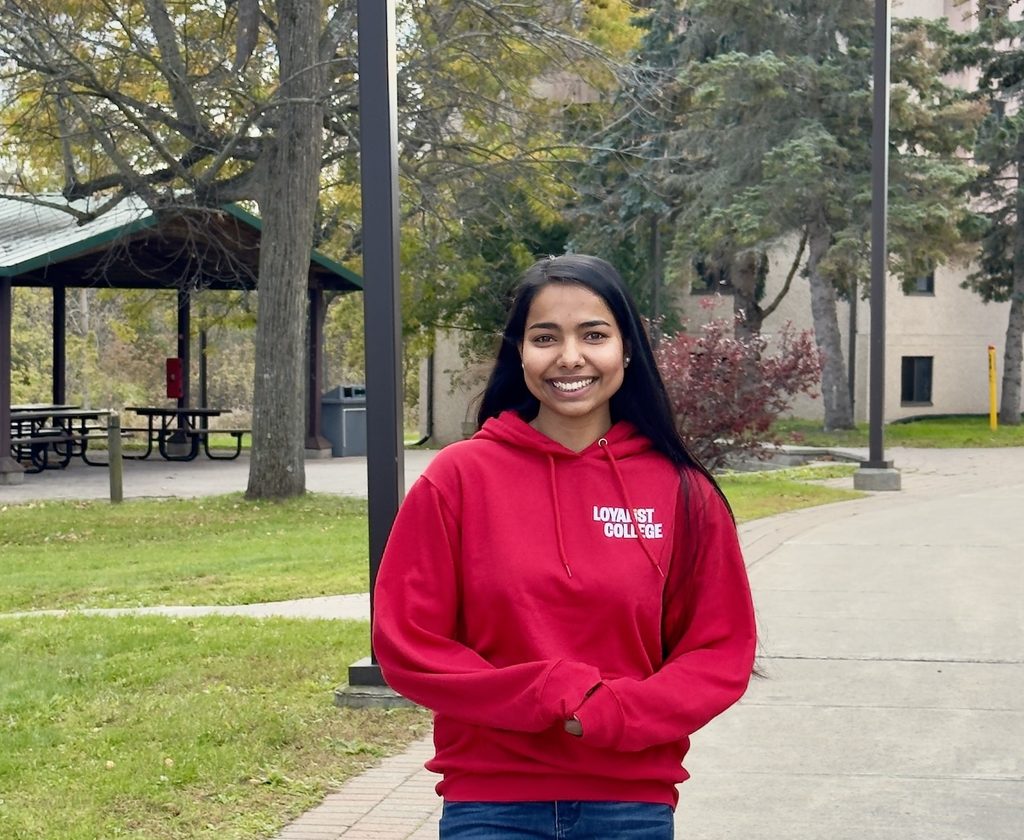
Jaimi John’s journey to residence was considerably shorter. Her family lives in Quinte West, close enough that commuting to Loyalist was an option. But when she enrolled in Practical Nursing, she decided she wanted to live on campus.
“I wanted to get out of the house and be more independent,” she says.
Her move-in didn’t happen quite as planned. Jaimi couldn’t arrive during the regular move-in period, so she reached residence around 9 p.m. Security greeted her with a smile, showed her around and pointed out the Residence Commons and the route to the college.
She went to her apartment, unpacked and went to sleep. The next morning, she woke up in a home shared with people she hadn’t met yet, wondering, “now, what?”
Finding your footing
Whether home is across an ocean or a short drive down the highway, moving into residence means adjusting to new people, places and routines.
Becky Shillington, Loyalist’s Director of Housing and Ancillary Services, sometimes describes that transition as shaking a snow globe. Friendships, family routines and familiar places are suddenly in motion.
“In the first six weeks, before you’ve really established your new patterns and routines, it can be very uncomfortable,” Becky says. “Some students can feel really untethered.”
For Jaimi, those weeks were nerve-racking. She was joining an apartment where her roommates were fourth-semester students who already knew one another. Then she realized the uncertainty went both ways. “They were nervous about me, too,” she says.
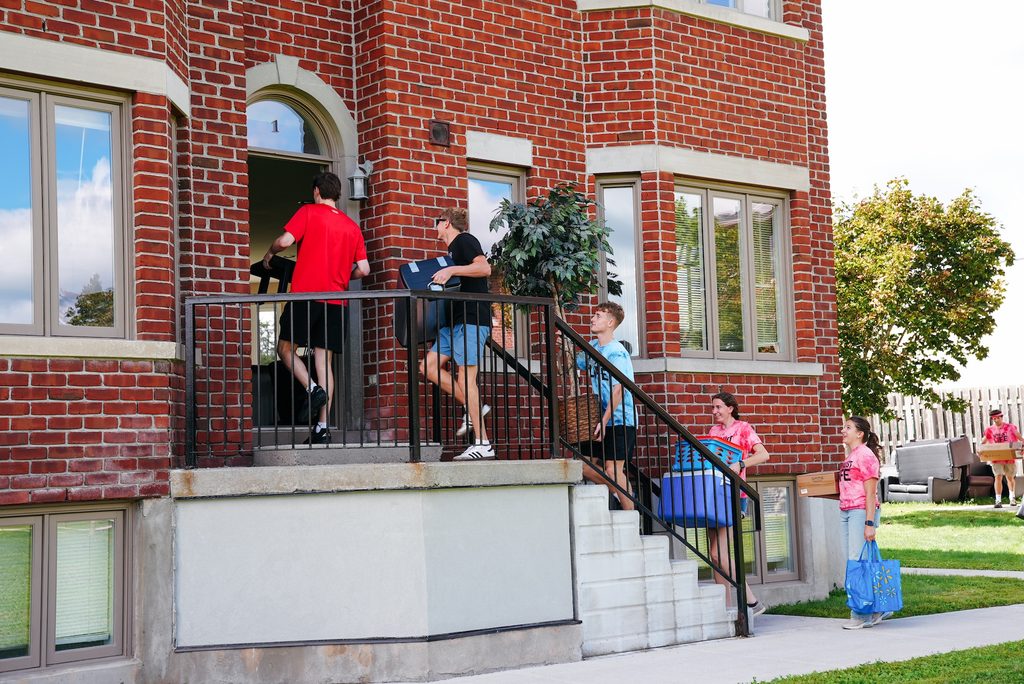
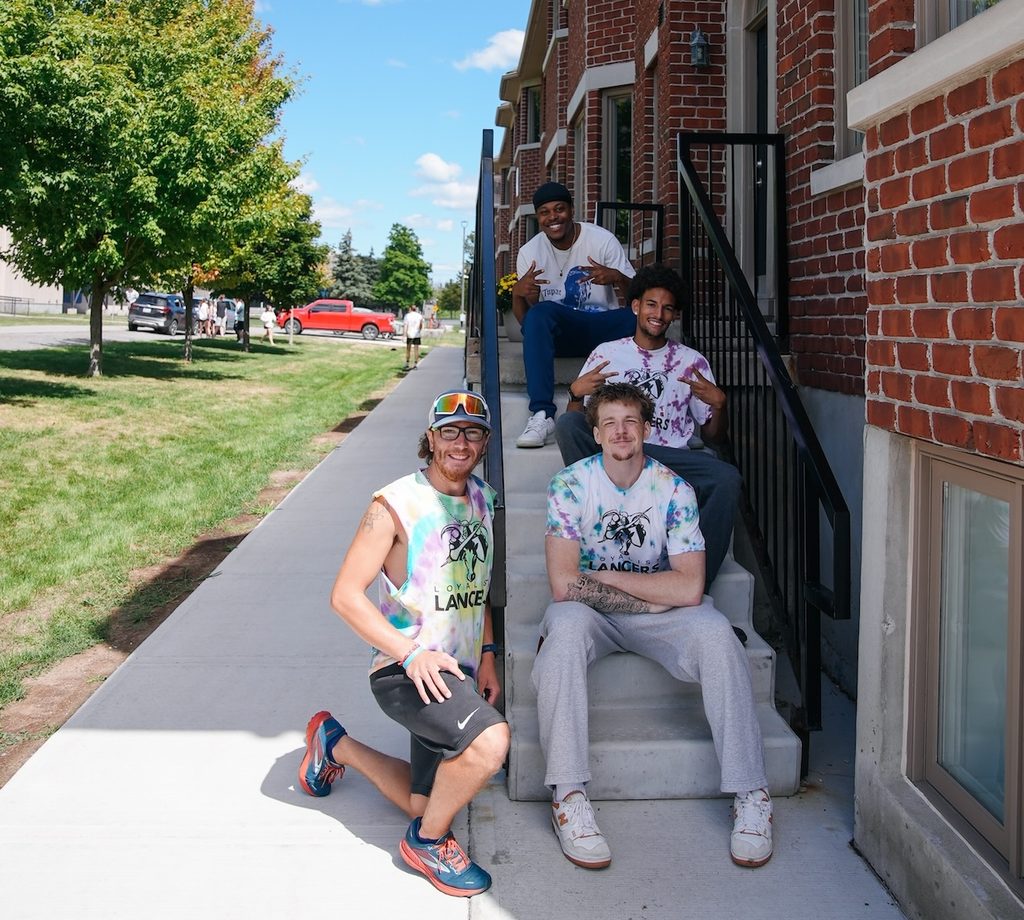
Over the next few weeks, things began to settle. Jaimi decorated her room with things she liked and got to know her roommates. Ordinary moments in their shared kitchen turned into long conversations. “I’d go out to cook, and someone else would come out, and we’d start talking,” she says. “Then all of a sudden, I’d realize we’d been talking for hours.”
Peter’s adjustment happened gradually, too. He began walking back to residence with classmates after school. Friends visited one another’s apartments, took the bus to buy groceries and barbecued together. Over time, residence stopped being somewhere he returned to at the end of the day and became home.
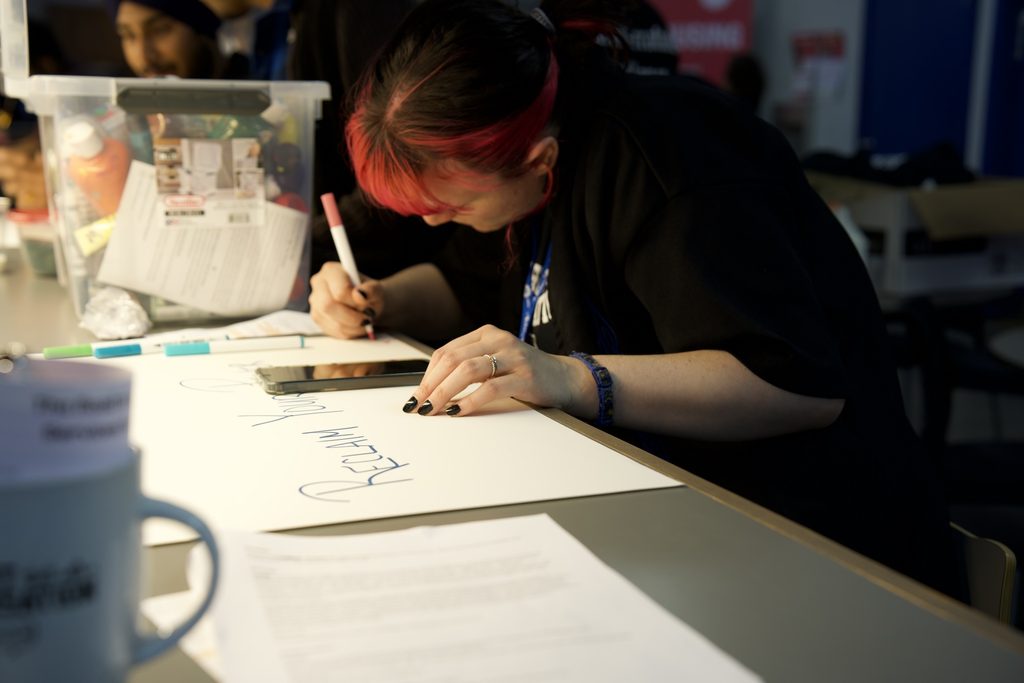
Helping students reach that point doesn’t mean expecting everyone to participate in residence life in the same way. At Loyalist, large events are complemented by smaller opportunities to connect. Sunday Socials give students a weekly drop-in activity in the Residence Commons, while Residence Assistants (RAs) regularly connect with students one-on-one. The goal, Becky says, is to give students different ways to find the people, routines and resources that work for them.
Practicing independence
For students and their families, moving away from home can create an apparent contradiction: students are there, in part, to become more independent, while parents and supporters want to know someone will be there if they need help. Becky describes the Residence team’s approach as “empowering, not prescribing.”
“We try really hard not to solve problems for students because I don’t think that helps in the long run,” she says. “Sometimes we’ll say directly to a student, ‘This is a learning moment for you. You’re going to learn something, and we’re here to support you.’”
Living with roommates creates plenty of opportunities to practice. Students may be managing groceries, money and household responsibilities for the first time while sharing space with people whose habits and expectations differ from their own. Roommate agreements establish expectations early, while RAs can help students work through conflicts when they arise.
For Jaimi, living on her own has brought a new appreciation for the responsibilities she once took for granted. “You don’t realize how much your parents do until you’re not living with them,” she says.
But independence doesn’t mean handling every challenge alone. On a bad day, sometimes what Jaimi needs is as simple as leaving her room and finding someone who understands the pressures of college life. “You can just go out and talk to somebody,” she says. “Sometimes you just need a hug.”
For Becky, seeing students take the initiative to find help is another sign of growing independence. “If a student’s accessed a resource, I think that’s a good sign that they’ve not only committed to solving whatever problem they’ve faced, but that they’ve learned enough about the campus that they know where to go,” she says.
Residence staff help students develop that confidence by connecting them with services and departments across Loyalist when academic, financial, health or other challenges arise. Becky recalls one student in Loyalist’s Community Integration through Co-operative Education (CICE) program who needed additional help adjusting to independent living. Residence worked with the program and other college services to coordinate routines, peer support, regular check-ins and help with academic barriers.
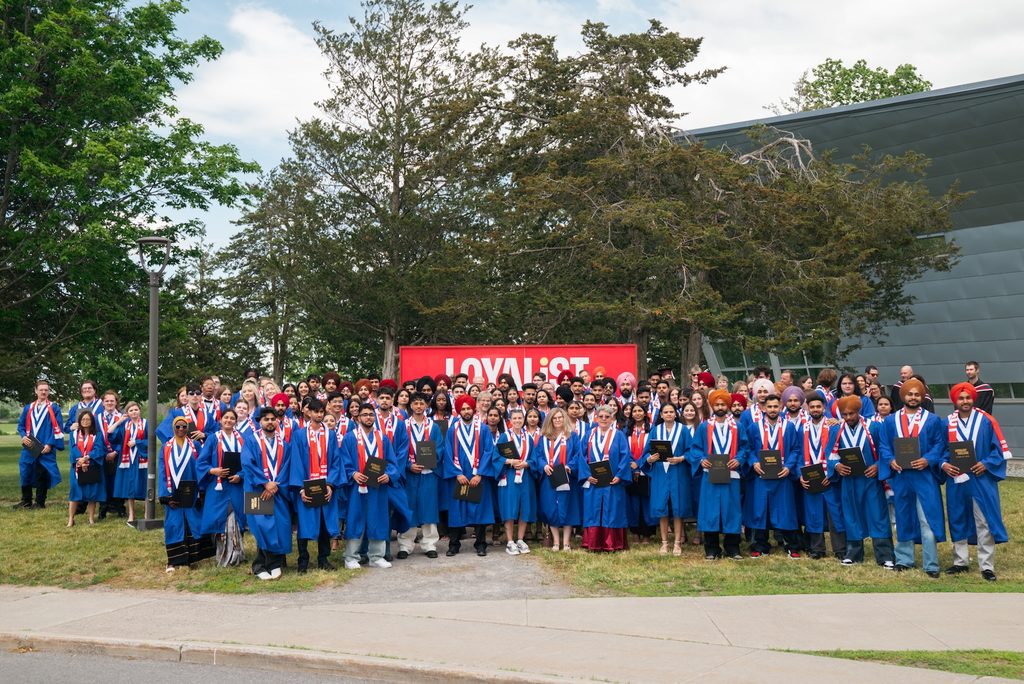
She later watched the student cross the stage at Convocation. “The beauty of a small college is that you can do that,” she says. “We worked really cohesively to build a safety net for the student so that they could learn independence in their own way, and on their own timeline.”
Becoming the person who helps
Peter describes independence and resilience as two of the biggest ways he changed while living in residence. He also saw how RAs helped students through the same uncertainties he had experienced.
About four months after moving in, he decided to become one himself. “I became an RA because the RA team had supported me when I moved in, and I wanted to do the same for other students arriving in the position I had been in,” he says. After graduation, Peter worked full-time in Residence as a staff member, supporting both student life and operations.

A few years ago, he was new to Belleville, living away from his family for the first time and trying to figure out where he could buy a pot to cook dinner.
In the years that followed, he became someone new residents could turn to as they found their own footing.
Submit a Story Idea
Your story is part of what makes our community extraordinary. From hands-on learning innovations to life-changing partnerships, the moments that unfold at Loyalist deserve to be celebrated.
Have an inspiring achievement, classroom breakthrough, or community collaboration to share? Submit your story idea below and help us showcase how small gives us the power to do BIG things every day.
Related News

Alumni Profile: Stephanie Smith, Community and Justice Services

Creating a place for creativity: Professor Peggy Collins on storytelling, community and careers in the arts